

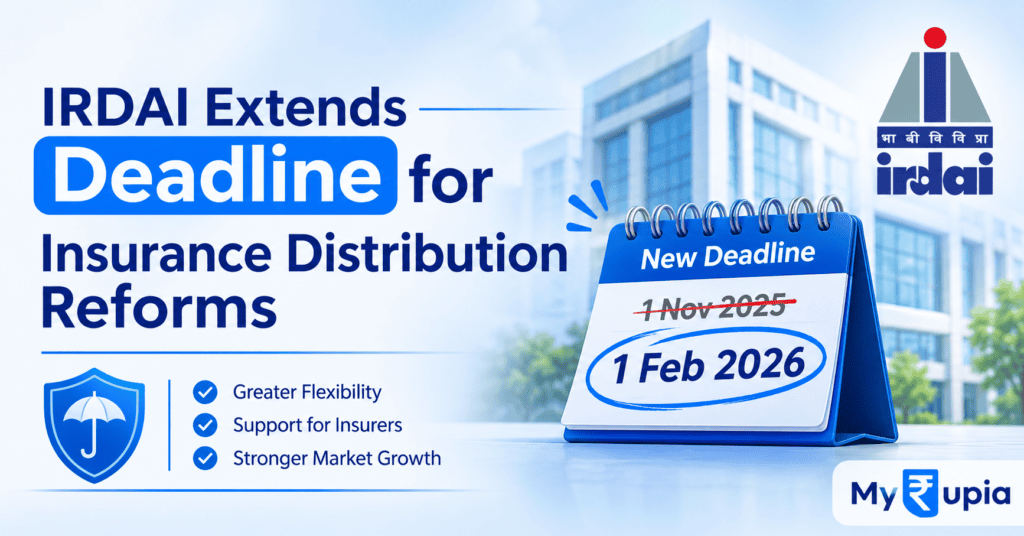
The Insurance Regulatory and Development Authority of India (IRDAI) has extended the deadline for comments on proposed insurance distribution reforms from October 25 to October 31, 2026. The regulator received more than 650 submissions and wants to give insurers, intermediaries and policyholders more time to share their views.
The Insurance Regulatory and Development Authority of India (IRDAI) has extended the deadline for comments on its proposed insurance distribution reforms by one week, giving stakeholders until October 31, 2026, to submit their feedback. The regulator previously set October 25 as the closing date.
IRDAI announced the extension on October 24 after receiving more than 650 comments on its consultation paper, Recalibrating Economics of Insurance Distribution. The regulator issued the two-part paper on September 23 to gather views from insurers, policyholders, intermediaries and the wider public.
Proposed reforms target insurance distribution costs
IRDAI aims to make insurance distribution more efficient, inclusive and beneficial for policyholders. The proposals seek to change how insurers manage operating expenses and compensate agents, brokers, banks and other distribution partners.
Key proposals include:
- Commission caps: Introduce product-specific and distribution-channel-specific limits on commissions paid to insurance intermediaries.
- Expense management limits: Reduce insurers’ expenses of management (EoM) limits through a phased approach.
- Distributor categories: Establish separate commission limits for individual and corporate distributors.
- Distribution practices: Address practices such as compulsory insurance bundling with loans and certain volume-linked incentives.
These changes could affect how insurers sell life, health and general insurance policies. However, IRDAI has not finalised the rules, and the regulator will consider stakeholder feedback before deciding the next steps.
Industry raises concerns over commissions and livelihoods
The proposed insurance reforms have prompted debate across the industry. Insurance brokers and other intermediaries have expressed concerns about lower commission income, distribution costs and the financial viability of existing business models.
Some stakeholders worry that tighter commission limits could affect smaller distributors and make it harder to sell policies with low premiums. Others have called for sufficient transition time to adjust commission structures, distribution agreements and operating processes.
The regulator faces the challenge of balancing these concerns with its objective of improving policyholder value and controlling distribution costs. IRDAI Chairman Ajay Seth has indicated that the authority will examine stakeholder suggestions and consider their economic rationale before reaching a decision.
How stakeholders can submit feedback
Insurers, intermediaries, policyholders and members of the public can submit their comments through the official consultation portal at IIB’s distribution reforms page. They can also download the prescribed Excel template, complete it and upload it through the portal.
Alternatively, stakeholders can email the completed template to drfeedback@iib.gov.in, using the subject line Reforms for Recalibrating Economics of Insurance Distribution.
The consultation remains open until October 31. IRDAI will use the submissions to assess the proposals and refine its approach. The final rules will determine how the reforms affect insurance commissions, distribution costs and policyholder access across India.
How Insurance Works in India: Understand how insurance works, including policy terms, coverage and the claims process. Learn How Insurance Works
Also Read: IRDAI Commission Rules May Hit Insurance Sales
Disclaimer: This MyRupia article provides information based on publicly available government, regulatory and industry sources. It does not constitute investment, financial, tax, insurance or legal advice. Information, examples, market data and expert views may change over time and do not represent a recommendation to buy, sell, invest in or surrender any financial product. Readers should consider their individual circumstances and consult a qualified financial professional before making financial decisions.