

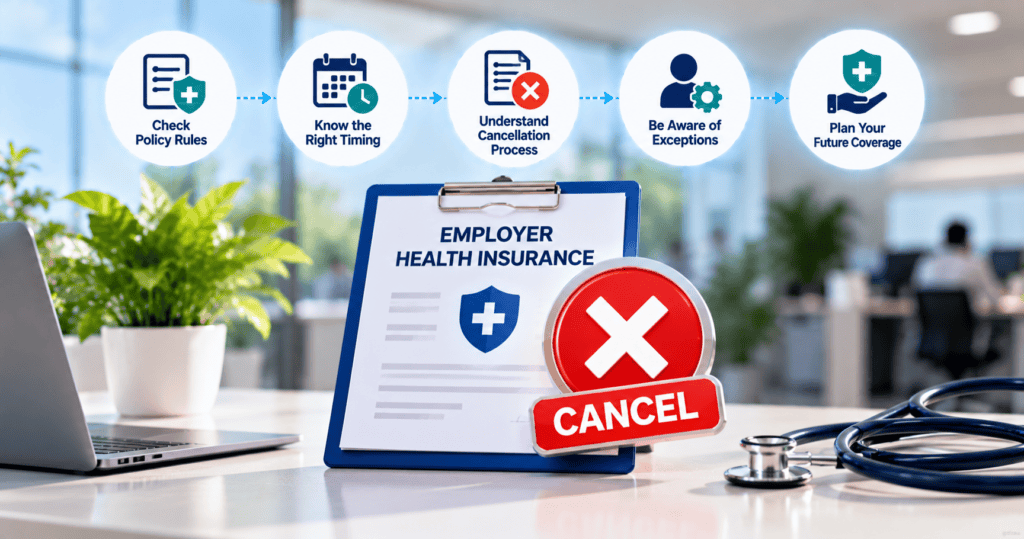
Understanding Employer Health Insurance Basics
At first, getting a health insurance at the jobs seems fascinating, but in reality, the whole system can be stressful, Therefore, here is what it means:What Is Employer-Sponsored Health Insurance?
Employer-sponsored health insurance is what you get when your company offers you a health plan as part of your employee benefits. It is like a group deal where your employer works with an insurance provider to create a plan that covers all employees at once. The best part about employer-sponsored health insurance is that it saves you money. Your employer usually pays a part of the premium, which means you pay less money out of your own pocket. These plans usually cover more than regular visits to the doctor. You will get medical coverage, dental benefits vision care, and more. Remember, since it is a group plan, the rules are same for everyone in the company. You do not get personalisation, instead you can leverage consistency and affordability.Why You Can’t Cancel Anytime You Want
This is where things get a little complicated. Employer-sponsored health insurance is not as easy as unsubscribing a streaming service. Employer-sponsored health insurance has rules and one of the main reasons for this is the laws like the Affordable Care Act (ACA). The goal is to keep your coverage stable and prevent people from switching plans frequently. It means two things – you have to wait for a specific time to make the changes or you need to have a good reason to make the changes. This may seem restrictive, but actually helps keep the cost of premiums predictable and makes sure that the insurance pools stay balanced.Key Terms You Need to Know
Before you read further, here are a few important terms that you will hear a lot while discussing employer-sponsored health insurance with your HR department:- Open Enrollment: This is the time when you can sign up for employer-sponsored health insurance, switch plans, or cancel your coverage. If you miss this golden opportunity, you have to wait until next year.
- Qualifying Life Event: This is an event when something big happens in your life. For example, getting married, having a baby, losing your health coverage, and more. These events allow you to make changes to your existing employer-sponsored health insurance.
- Special Enrollment Period: This is when you can make changes to your employer-sponsored health insurance outside of the enrollment time. It is truly a bonus.
- Premium: This is the amount of money you pay each month to keep your employer-sponsored health insurance active.
How Employer Plans Differ from Individual Plans
Employer-sponsored health insurance plans and individual plans offer same benefits, but they have foundational benefits. Employer-sponsored health insurance plans are for groups, which usually makes them more affordable. On the other hand, individual plans allow to you to have better control and flexibility, but it comes at an extra cost. What more? Employer-sponsored health insurance plans have rules, and you can cancel or amend as per your willingness. Individual plans usually give you freedom to cancel and make changes. Overall, employer-sponsored health insurance plans give you savings and structure, and individual plans give you choice and control.When You Can Cancel Employer Health Insurance
Health insurance through your employer can be one of those things that you buy and forget, but here is what you need to know when you seek changes:During Open Enrollment Period
This is the golden opportunity; here, you can make changes to your health insurance without any hassles. Open enrollment usually happens once a year, and your HR team will send you emails and reminders for the same. During this period you can cancel your plan, switch to another plan offered by your employer, and add or remove dependents. No explanations, no paperwork – just a choice before deadline. Missed the period? You might have to stuck with the existing plan until next year.After a Qualifying Life Event
Life cannot wait for open enrollment period. And thankfully, insurance providers understand this. Whether it is marriage, divorce, having a baby, adoption of a baby, loss of health coverage, moving to different location, these moments give you a chance to change or cancel your plan. This is known as Special Enrollment Period, available for 30 to 60 days. If you miss this period also, you have to wait for open enrollment again.When You Leave Your Job
This is quite self-explanatory. No job, no health insurance. If you resign, get laid off, or retire, you employer health insurance ends. Here, you can join a new employers health plan, buy new insurance plan, or continue your current plan through COBRA. Thinking what is COBRA? It is a feature that allow you to keep the existing policy for a while; however you pay the premuim. It is a short-term safety net but not budget-friendly.If Your Employer Stops Offering Coverage
Sometimes the decision is not yours; companies change policies, and benefits get restructured. If your employer stops offering a plan, you have the right to cancel your coverage and choose another plan with no penalties. This situation often makes people explore individual plans or coverage through spouse’s employer. It is not perfect, but manageable.How to Cancel Employer Health Insurance
Health insurance through your employer is something you get as employee benefit, until one day you do not want it. Here are a few steps to cancel your employer health insurance:Step 1: Check If You Can Cancel Your Plan
Before you do anything, pause and check if you can actually cancel your plan and when. Most health insurance plans from employers have rules about when you can make changes or cancel the plan. You can usually do it during open enrollment period, a special enrollment period, when you change job, or leave your job. If none of these is the case with you, you might not be able to cancel your plan. This can also leave you without coverage for longer. Remember, this step is more about timing than paperwork, and you should not miss it to prevent problems.Step 2: Inform Your HR or Benefits Team
Made up your mind to cancel your health insurance plan from your employer? First thing – tell your HR or benefits team and make it official. It is not possible for you to casually “opt out” of the plan; there is a process that needs to be followed. It includes – filling out the cancellation form, present a valid proof for the qualifying event, and submit your request in written. Some companies also have internal portals to make things easy, quick, and straightforward. The tip? Keep a copy of your request and cancellations form to save yourself from wasting time and money.Step 3: Choose a New Plan
Here is a key rule: never cancel your health insurance without a back plan in hand. It might be tempting to take a break and figure things out later, but medical emergencies and expenses do not send an invitation. A short gap in coverage can also lead be costly. Wondering what alternatives you can have? Join your spouses employer plan, sign up for a marketplace insurance plan, or choose a private insurer. Take time to compare options; ;ook at costs, coverage, and hospitals in the network. The goal is to find something that fits your needs better. After all, a change should come with value.Step 4: Confirm Your Cancellation Date and Coverage End
This is a vital step that most people often overlook. Here, timing really matters. Your insurance does not always end your health insurance plan the moment you place the cancellation request. It could end immediately, continue until the end of the month, or follow a date set by your employer. If you don’t check this properly you might end up paying for two plans simultaneously or face a gap in coverage. So, ask clearly: When does my coverage officially end? Once you have that date, align the start date of your new plan after that. No overlaps, no gaps – only a clean transition.Conclusion
Cancelling or changing employer health insurance is not challenging. There are rules to follow, and you cannot just decide on a random day that you want to cancel or change the insurance. It depends on the time of year, what is happening in your life, and what your company allows. The best thing to do is to cancel your employer health insurance during open enrolment period. Always make sure you have another plan in place before you make any changes. That way, you stay covered, confident, and in control of your healthcare choices.Frequently Asked Questions
Q1. Can you cancel employer health insurance at any time?
No! You cannot cancel anytime you like. Most employers allow cancellations only during open enrollment or after a qualifying life event. Outside these windows, you’ll usually need to wait for the next eligible period.
Q2. What happens if I cancel without another plan?
Canceling without a backup plan can leave you uninsured. This means paying full medical costs out of pocket, which can get expensive quickly, especially during emergencies, hospital visits, or unexpected treatments.
Q3. How long do I have after a qualifying life event to cancel?
You generally get a limited window after a qualifying life event to make changes. In most cases, this period ranges between 30 to 60 days, depending on your employer’s benefits policy.
Q4. Is COBRA a good option after cancelling employer insurance?
COBRA can help you continue the same coverage after leaving your job. It offers continuity, but it’s often expensive since you’re responsible for paying the entire premium without employer contributions.
Q5. Can I switch to my spouse’s insurance anytime?
Switching to your spouse’s insurance is not always allowed anytime. You typically need a qualifying life event to trigger a Special Enrollment Period, which then lets you join their plan outside the regular enrollment cycle.