

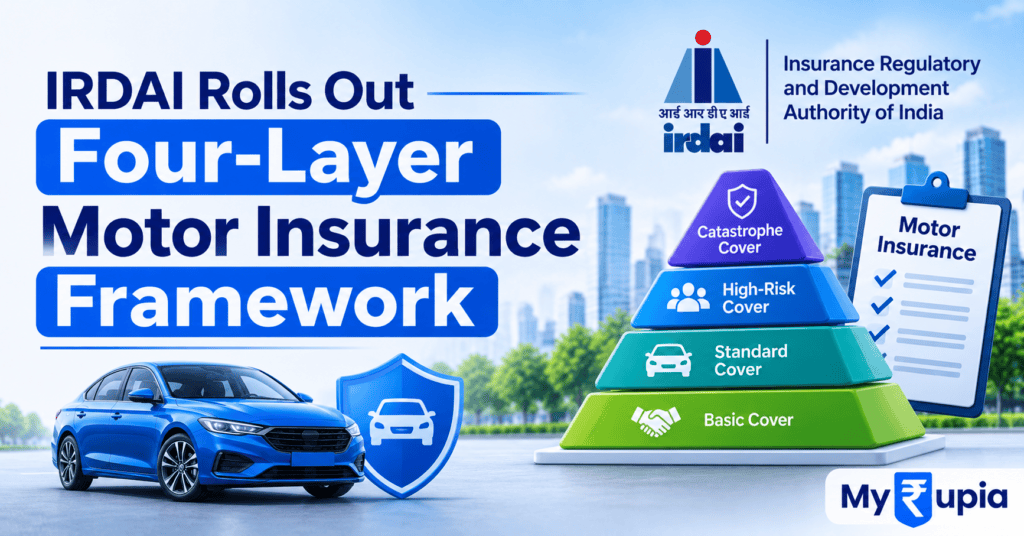
IRDAI has directed general insurers to adopt a four-layer motor insurance structure for private cars and two-wheelers from December 15, 2026. The framework aims to help policyholders understand mandatory and optional covers, compare premiums and make informed insurance choices.
The Insurance Regulatory and Development Authority of India (IRDAI) has directed general insurers to introduce a four-layer motor insurance structure for private cars and two-wheelers from December 15, 2026. The new framework aims to make motor insurance policies easier to understand by clearly separating mandatory and optional covers.
The move follows a Supreme Court directive in the case of National Insurance Company vs Thungala Dhana Laxmi. The regulator wants vehicle owners to understand which risks their motor insurance policy covers, which protections they can choose and how much each component costs.
What changes under the new motor insurance rules?
Under the revised structure, insurers must clearly distinguish between four categories of motor insurance protection. These include third-party liability, personal accident cover, occupant liability and own-damage cover.
However, policyholders will not have to purchase every component. Third-party liability insurance and the prescribed personal accident cover for the owner-driver will remain mandatory. Occupant liability, additional personal accident protection and own-damage insurance will remain optional.
Third-party insurance covers the policyholder’s legal liability for injury, death or property damage involving another party. Own-damage cover, on the other hand, protects the insured vehicle against covered incidents such as accidents, theft, fire and natural calamities.
Insurers must disclose coverage and premiums separately
IRDAI has asked general insurers to adopt standard policy wordings and collect a completed customer option form for every private car and two-wheeler policy. This form will record the covers that customers select and become part of their policy documents.
Insurers must also provide a Customer Information Sheet at the point of sale. The policy schedule must separately mention the coverage and premium for each section.
These requirements will help customers compare motor insurance plans and understand the cost of individual add-ons. They will also create a clear record of the protection a policyholder chooses, reducing confusion during claim settlements.
Can existing policyholders add occupant cover?
The new framework also gives existing third-party motor insurance policyholders the option to add legal liability cover for vehicle occupants during the policy period.
Customers can purchase this additional protection from their existing insurer by paying an extra premium. They will not need to cancel their current third-party insurance policy. The additional cover will start from the date and time specified in the insurer’s endorsement.
Will the new rules change motor insurance premiums?
IRDAI has allowed insurers to determine own-damage premiums according to market conditions. Insurers can also introduce coverage options and adjust general exclusions, provided they do not restrict the basic protection prescribed under the new framework.
The regulator has also directed insurers to integrate the four-layer structure with Bima Sugam by December 15, 2026.
For vehicle owners, the key change is greater transparency rather than a compulsory expansion of insurance coverage. Before buying or renewing a motor insurance policy, customers should review each cover, compare its premium and select protection that matches their requirements.
How to Read a Policy Document: Learn how to review policy terms, exclusions and coverage details before making a decision.
Also Read: IRDAI Rejects Dynamic Pricing on Insurance Platforms
Disclaimer: This MyRupia article provides information based on publicly available government, regulatory and industry sources. It does not constitute investment, financial, tax, insurance or legal advice. Information, examples, market data and expert views may change over time and do not represent a recommendation to buy, sell, invest in or surrender any financial product. Readers should consider their individual circumstances and consult a qualified financial professional before making financial decisions.