

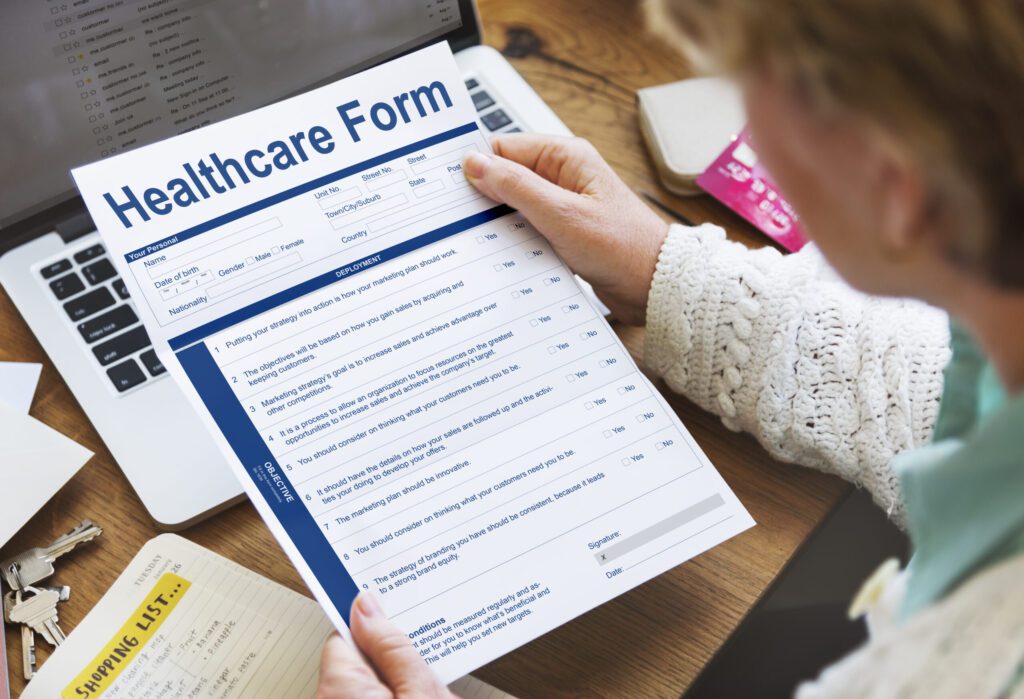
Healthcare costs in India continue to rise, making health insurance an essential financial safeguard for you and your family. However, buying a policy is only one part of the process. In case of a medical emergency, knowing the health insurance claim documents required can help ensure a smooth and hassle-free claim settlement.
Insurance providers require the submission of certain health insurance claim documents to validate the claim, whether for cashless treatment at a network hospital or for claiming reimbursement after paying medical expenses out of your own pocket.
The IRDAI has announced measures for improving the efficiency of claims settlement. Insurers are also mandated to respond to cashless authorisation requests within the specified timeframes and settle valid claims promptly. The aim of these guidelines is to make health insurance more transparent and customer-friendly. To understand the requirements, dos and don’ts and the claim process in more detail, continue reading.
Things to Keep in Mind When Buying Health Insurance
Before we get to the health insurance claim documents, it’s important to understand a few factors that impact the overall claim experience.
● Choose an Adequate Sum Insured
Medical inflation in India is increasing the cost of treatment year on year. High out-of-pocket costs may result from inadequate health insurance coverage. When choosing the amount covered, you should take into account your location, age, number of family members and medical history.
● Review Coverage and Exclusions
Each policy has specific inclusions and exclusions. Check in detail what is covered, including hospitalisation, daycare procedures, pre- and post-hospitalisation expenses and critical illness. Knowing what is not included is equally important.
● Check the Network Hospitals
A vast network of hospitals allows you to receive cashless treatment in a hassle-free manner. Before buying a policy, check whether the insurer’s network includes reputed hospitals in your city.
● Understand the Claim Settlement Process
The smoothness of the claim process is as important as the policy itself. Check the insurer’s claim settlement ratio, customer support channels and documentation requirements before taking a call.
How to Buy Health Insurance in India?
Digital platforms and online policy issuance have made buying health insurance straightforward. The process generally happens this way:
● Research Available Plans
Compare policies based on premium, coverage, waiting periods, co-payment clauses and claim settlement history.
● Assess Your Health Care Needs
The kind of policy you choose depends on your age, your medical history, your family structure and your financial goals.
● Complete the Application
Complete the proposal form accurately. Be honest about any medical problems, lifestyle habits and previous insurance information.
● Submit Required Documents
Most insurers look for basic KYC documents like identity proof, address proof, age proof, photographs and medical records if applicable.
● Pay the Premium
The premium can generally be paid online through net banking, debit cards, credit cards, UPI or other approved payment modes.
● Receive Policy Documents
The insurer will issue the policy document, health card and policy schedule after approval of the application. Retain these documents, as you may need them to file claims.
Types of Health Insurance Claims
It is important to know what type of claim you will be filing, as the health insurance claim documents you need may differ.
Cashless Claims
A cashless claim enables the insurer to make payments directly to the hospital for eligible hospital expenses. This facility is available only at the insurer’s network hospitals. For a cashless claim, the hospital sends a pre-authorisation request to the insurer or the third-party administrator (TPA).
The insurer approves the claim, subject to policy terms and conditions, after reviewing policy details and treatment requirements. Cashless claims are beneficial for policyholders as they need not arrange large sums of money in advance to meet the covered expenses.
Reimbursement Claims
In a reimbursement claim, the insured pays the hospital expenses first and then files a claim request with the insurer. This kind of claim is seen regularly in cases where the treatment is taken at a non-network hospital or if there is no cashless facility available. The insurer will review the documents you provide and reimburse any expenses that are eligible under the policy.
Complete and accurate medical records are essential because reimbursement claims are subject to a detailed check.
Why Documentation Matters During Claims
Insurance companies need supporting documents to prove the treatment was genuine, the cost of hospitalisation, the diagnosis and that the policy was valid. There are several reasons for good documentation:
- Confirms the identity of the insured person.
- Verifies the medical condition and treatment received.
- Establishes the amount spent on treatment.
- Prevents fraudulent claims.
- Helps insurers process claims efficiently.
Requests for further verification may result from even a small disparity between medical data, policy details and claim forms. As a result, it is highly recommended that you maintain organised records throughout your treatment.
Documents Needed for Filing a Health Insurance Claim
The list of health insurance claim documents may vary slightly depending on the insurer and type of claim. Typical documentation required for reimbursement claims, however, includes the following:
1. Duly Filled Claim Form
One of the most important health insurance claim documents is the claim form. It has details of the policyholder, patient, diagnosis, treatment received and hospitalisation details. Complete all sections accurately and place your signature where required.
2. Health Insurance Policy Details
Have a copy of your policy wording, health card or policy schedule to hand. These health insurance claim documents allow the insurer to confirm your coverage and eligibility.
3. Hospital Discharge Summary
The discharge summary will include details of the patient’s diagnosis, treatment, medications, length of stay in hospital and advice regarding follow-up. This document is often a requirement for insurance companies.
4. Original Hospital Bills and Receipts
Submit detailed hospital bills and payment receipts to show that expenses were incurred during treatment. These documents help determine the amount of reimbursement you are eligible for.
5. Doctor’s Prescriptions and Consultation Records
Medical prescriptions, consultation papers and treatment notes are evidence of the diagnosis and recommended treatment.
6. Diagnostic Test Reports
Depending on the medical condition, investigation reports like blood tests, X-rays, MRI scans, CT scans, ultrasound reports and pathology reports may be needed.
7. Pharmacy Bills
Original medicine bills with the corresponding prescription should be submitted for medication-related expenses.
8. KYC Documents
The insurers may request proof of identity and address documents, such as:
- Aadhaar Card
- Passport
- Driving Licence
- Voter Identity Card
- PAN Card
9. Bank Account Details
Usually, insurance companies seek bank account details, a copy of a cancelled cheque or NEFT details for reimbursement claims to transfer the approved claim amount.
10. Accident-Related Documents
If the claim is based on an accident, additional documents such as the First Information Report (FIR), medico-legal certificate (MLC) and police report may be required.
Documents Needed for Cashless Treatment
For cashless claims, the number of documents to be submitted is fewer, as the insurer does the coordination directly with the hospital. But there are still some documents required.
● Identity Proof
The patient’s identity is verified in the hospital by a valid government-issued identity document.
● Health Insurance Card
The insurer issues a health card which shows the policy details and can be used to confirm that cover is in place.
● Pre-Authorisation Form
Usually the hospital assists in filling out and sending the pre-authorisation request form to the insurer or TPA.
● Supporting Medical Records
The insurer may ask for consultation notes, investigation reports or admission records before approving the cashless request, depending on the treatment. While cashless treatment reduces paperwork for the policyholder, timely submission of requested documents remains important for quick approval.
How to File a Health Insurance Claim?
You can make filing a health insurance claim easy by following a systematic approach. Here are the steps:
Step 1: Notify the Insurer
If you are planning an emergency hospitalisation, notify your insurer as soon as possible. Most insurers specify the time limits for reporting a claim.
Step 2: Gather All Required Documents
Gather all health insurance claim documents such as bills, prescriptions, discharge summaries, investigation reports and claim forms.
Step 3: Complete the Claim Form
Fill in all the information accurately. Check the details like policy number, patient name, diagnosis, hospital name and dates of treatment before submission.
Step 4: Submit the Documents
Documents required for reimbursement claims can be submitted to the insurer’s online portal, branch office or authorised claim processing centre.
Step 5: Cooperate During Verification
The insurer may request additional information or clarification during the validation process. Immediate response is required to prevent any delay.
Step 6: Track Claim Status
Most insurers allow policyholders to check the status of their claims online through websites or mobile apps.
Step 7: Receive Settlement
Then the insurer approves the claim and directly transfers the eligible amount into the registered bank account or pays the hospital bill in cashless cases.
Common Mistakes to Avoid When Submitting Documents
Delays are often caused by avoidable paperwork mistakes. Knowing these common mistakes can help ensure a smoother settlement.
Submitting Incomplete Documents
Missing reports, unsigned forms or incomplete bills can lead to additional queries and delays in processing.
Providing Incorrect Information
Ensure that the information provided in the claim form is consistent with the data stored in the policy records and medical documents.
Mismatch in Personal Details
Variations in the spelling of a name, date of birth, address or policy number may lead the insurer to initiate a verification request.
Missing Medical Reports
Some treatments require supporting diagnostic reports. Not providing them could mean your claim is rejected or your settlement is less.
Late Submission
Most insurers have time limits for filing reimbursement claims after hospital discharge. Missing these time frames can delay or affect claim processing.
Ignoring Policy Requirements
Every policy has its own specific terms and conditions. Carefully check the insurer’s document checklist before submitting the claim.
Not Keeping Copies
Always make photocopies or digital copies of all submitted documents for future reference and dispute resolution if necessary.
Tips for Faster Claim Approval
A few simple practices can help speed up claim settlement:
- Maintain a dedicated folder for medical records.
- Inform the insurer immediately after hospitalisation.
- Verify hospital bills before discharge.
- Submit documents in chronological order.
- Keep both physical and digital copies of important records.
- Follow up regularly through official claim tracking channels.
- Respond quickly to any requests for additional information.
Proper organisation speeds up processing and reduces the likelihood of claim rejection.
Conclusion
Having the right health insurance claim documents is important for a successful claim settlement. Correct documentation will enable the insurer to promptly verify the treatment particulars, hospital expenses and whether the treatment is eligible for the policy, regardless of whether you are claiming cashless or reimbursement.
Always keep handy important documents like the claim form, discharge summary, hospital bills, prescriptions, diagnostic reports, KYC documents and bank details. For cases relating to accidents, other records like FIRs or medico-legal certificates may also be required.
FAQs
1. What are the most important documents required for a health insurance claim?
The key documents include a completed claim form, hospital discharge summary, itemised hospital bills, payment receipts, doctor’s prescriptions, diagnostic reports, KYC documents and bank account details for reimbursement.
2. Is Aadhaar mandatory for filing a health insurance claim?
No. Aadhaar is not mandatory in every case. However, it is commonly accepted as identity and address proof. Other government-approved documents may also be accepted. It is best to check the insurer’s specific document checklist before submission.
3. Do I need original bills for reimbursement claims?
Yes. Most insurers require original hospital bills, receipts and pharmacy invoices while processing reimbursement claims. Photocopies are generally not accepted unless the insurer specifically permits them.
4. Can a claim be rejected because of missing documents?
Yes. Missing, incorrect or incomplete documents may delay claim processing and, in some cases, lead to claim rejection if the insurer cannot verify the treatment and expenses. Responding promptly to any query from the insurer can help avoid this outcome.
5. How long should I keep my health insurance claim documents?
It is advisable to retain all health insurance claim documents for several years, even after settlement, for future reference, audits or dispute resolution. Keeping both physical and digital copies is a good practice.