

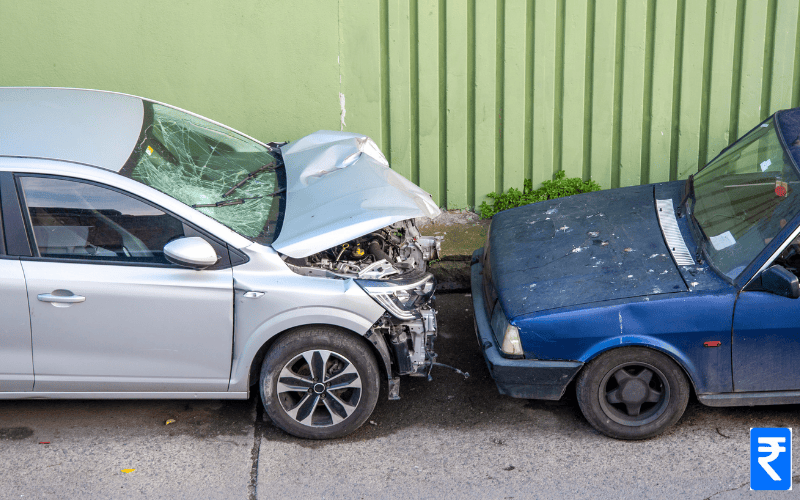
In India, there are both legal and financial requirements associated with owning a vehicle. Accidents, theft, natural disasters, and liability for damages caused to others can all create financial hardship as well as emotional distress when they occur. Learning about the types of car insurance that you can purchase, how to protect yourself financially, and how automobile insurance will meet legal requirements are all important things to know as an auto owner in India.
The Insurance Regulatory and Development Authority of India (IRDAI) regulates automobile insurance companies and requires all auto owners to carry third-party liability motor insurance as required under the Motor Vehicles Act 1988 (Amendment) 2019. Policies with more comprehensive features are available for broader coverage.
This article explains different types of car insurance policies and their coverage. It further explains optional add-ons, legal requirements for motor vehicle insurance coverage, car insurance claims, and several elements to take into account while selecting a policy.
Understanding the Types of Car Insurance in India
In India, there are generally three types of car insurance. Each type serves a specific purpose and differs in coverage, cost, and suitability.
Third-Party Liability Insurance (Mandatory)
The minimum and legally necessary insurance coverage is third-party car insurance in India. All vehicles traveling on Indian highways are required to have sufficient third-party insurance in accordance with the Motor Vehicles Act (Ministry of Road Transport & Highways).
What It Covers
- Someone else has passed away or been hurt by the insured car.
- The assets of a third party have been ruined due to an accident involving the insured car.
- An accident involving the insured car has resulted in a legal responsibility.
The Motor Accident Claims Tribunal (MACT) decides the payment due to a third party for death or injury. Normally capped (currently at ₹ 7.50 lakh under the IRDAI rules) is the highest limit of remuneration possible for harm to the property of a third party.
What It Does Not Cover
- Damage to the insured car
- Car theft (theft/general)
- Natural disasters
- Fire damage
Who Should Consider It?
The following are groups that may require basic insurance:
- Owners of very old cars with little or no resale value
- Individuals who want to pay as little as possible to satisfy legal requirements
- Drivers looking to minimise insurance costs
Benefits
- Covers legal liability for injury or death of a third party.
- Covers damage to third-party property.
- Lowest premium cost among all types of car insurance.
Limitations
Basic insurance is cheap, but it does not provide much financial protection.
Standalone Own-Damage Insurance
In 2019, IRDAI introduced Standalone own-damage (OD) insurance. It allows vehicle owners to obtain insurance to cover the damages sustained by their own vehicle without it being included in the third-party liability insurance.
What It Covers
- Accidental damage to your vehicle
- Theft
- Fire and explosions.
- Natural disasters (e.g., floods, earthquakes, cyclones).
- Man-made disasters (e.g., riots and vandalism).
Benefits
- Covers damage to your own vehicle, which third-party insurance does not include.
- Usually cheaper than comprehensive insurance.
Limitations
- Does not include third-party liability, which must be purchased separately.
- Coverage is less comprehensive than a full comprehensive policy.
Who Is It Suitable For?
Standalone OD insurance is available for vehicle owners who already purchased long-term third-party liability from their dealer, as well as for those who are looking for the flexibility to choose their own insurer for their standalone OD insurance. Standalone OD is customisable but requires that you still have valid third-party liability insurance coverage on file.
Comprehensive Car Insurance
Comprehensive insurance combines third-party liability and own-damage coverage under one policy. Among the various types of car insurance, this is the most extensive form of protection.
What It Covers
- Third-party liability insurance
- Comprehensive coverage for damage to one’s own vehicle
- Comprehensive coverage for theft
- Natural and human-made disaster coverage
- Fire-related damages
Common Add-Ons
Comprehensive automobile insurance includes available riders (add-ons) for extra protection. Additional riders generally include:
- Zero depreciation coverage
- Engine protection coverage
- Roadside assistance
- Return to invoice coverage
- Consumable items cover
- No claim bonus (NCB) protection
Riders vary from one insurer to another, and can quickly escalate premium costs.
Benefits
- Provides complete protection, covering both third-party liability and own-damage.
- Allows policyholders to add optional add-ons for enhanced protection.
Limitations
The primary drawback is a higher premium. However, the extensive coverage can balance it.
Who Should Opt for It?
The following groups may find comprehensive coverage beneficial:
- New car owners
- High-value car owners
- Drivers living in metro cities with a high frequency of accidents
- Individuals seeking more comprehensive financial security.
Note: While the premium is higher, this type of policy offers greater protection.
Usage-Based or Telematics Insurance
Telematics-based insurance in India is still an emerging concept. It was initially introduced under the regulatory sandbox framework by the Insurance Regulatory and Development Authority of India to test usage-based motor insurance products.
These products calculate premiums according to the following criteria:
- The distance you drive
- Your driving style and behaviour
- Your driving speed
- When you drive
Benefits
The benefits of telematics include:
- Reduced premiums for safer drivers
- Flexible pricing
- Promotion of safer driving habits
Limitations
However, there is potential for issues around privacy from data tracking, and not all insurers in the market will be able to offer telematics policies at this time.
Who Should Opt for It?
This policy can be suitable for:
- Drivers who do not use their cars frequently or drive limited distances.
- Individuals who are confident about their safe driving habits.
- People who want potential premium discounts based on actual vehicle usage.
- Policyholders interested in pay-as-you-drive or behaviour-based pricing models.
Comparing the Types of Car Insurance: Coverage and Cost Differences
Understanding the differences among the types of car insurance helps in evaluating cost versus coverage.
| Feature | Third-Party | Standalone OD | Comprehensive |
| Legal Requirement | Yes | Optional | Optional |
| Own Vehicle Damage | No | Yes | Yes |
| Theft Coverage | No | Yes | Yes |
| Add-Ons Available | No | Limited | Yes |
| Premium Cost | Lowest | Moderate | Highest |
Key Factors That Affect Premiums
When evaluating different types of car insurance, consider these pricing determinants:
Insured Declared Value (IDV)
Your car’s present market value, which also governs claim compensation in the event of theft or total loss, is known as IDV.
Bonus with No Claims (NCB)
Policyholders get a discount for claim-free years ranging from 20% to 50% over five straight years.
Deductibles
While raising out-of-pocket costs during claims, higher voluntary deductibles lower premium prices.
Spot of Vehicle
A greater accident possibility usually results in urban areas having higher premiums.
Car Modifications
Unauthorised changes can render claims invalid or raise rates.
Beyond Basic Types of Car Insurance: Important Add-Ons
Add-ons improve security but ought to be chosen judiciously depending on need.
- Zero Depreciation Protection: Covers the total claim amount without depreciation consideration. Great for fresh vehicles.
- Engine Safety: Of great value in flood-prone cities.
- Assistance on the Road: More towing, battery jump-start, fuel delivery, etc.
- Return on Invoice: Pays the original invoice value in the event of total loss.
- NCB defense: Maintain your no-claim incentive even after one claim.
Add-ons may lower long-term financial risk even while raising insurance.
How to Choose Among the Types of Car Insurance
Selecting the right policy requires evaluating personal circumstances.
- Evaluate the Value of a Vehicle: Older vehicles may not justify full coverage.
- Assess patterns of use: Drivers who often operate in cities are under increased risk exposure.
- Think about Financial Ability: Although more expensive, better coverage offers more security.
- Compare insurers: Check:
- Ratio of claimed settlements
- Network garages
- Review by consumers
- Add-on flexibility
- Compare insurers: Check:
- Look over the policy terms: Deductions, waiting periods, documentation requirements, and exclusions should all be understood.
When evaluating types of car insurance, consider long-term affordability rather than just annual premiums.
How to Make a Car Insurance Claim
The procedures for claiming loss/claim for all types of insurance will be as follows:
- Upon the occurrence of an accident, promptly inform the insurer.
- File an FIR (if applicable)
- Submit a claim form to the insurer.
- Prepare and provide any necessary support documentation (policy copy, driver’s license, vehicle registration certificate)
- Inspect the vehicle (if requested)
- Make a settlement (either cashless or reimbursed)
The above procedures must be followed by insurers according to the IRDAI time period for processing claims.
Common Exclusions
Most auto insurance does not cover the following:
- No valid driver’s license
- DUI
- Mechanical failure (breakdown)
- Normal wear (in addition to mechanical failure)
- War or nuclear hazard
Always review your policy to understand what you are covered for properly.
Mistakes to Avoid
- Only choosing by price
- Ignoring IDV Valuation
- Not reading exclusions
- Failing to renew on time
- Not considering the relevance of Add-Ons
If you understand the various types of car insurance, you can avoid being underinsured or spending money that you could have saved.
Conclusion
Car insurance considerations are weighted between legal compliance, financial safety, and affordability. Third-party only car insurance meets legal requirements, but has the least amount of coverage. Fully own-damage coverage provides greater choice than only third-party coverage. Comprehensive insurance plans offer a much greater level of protection than either of the above two options, while providing the option of additional coverage as an option. Telematic vehicle insurance is the latest innovation in insurance companies, providing the lowest premiums based on vehicle use.
Indian vehicle owners should evaluate their risk exposure, their vehicle’s present worth, and their driving frequency when evaluating car insurance. Annual insurance reviews will guarantee that their coverage stays suitable as their situation evolves. Making an educated choice will guarantee that automobile owners adhere to the law and preserve their money.
Frequently Asked Questions
Q1. What are the main types of car insurance available in India?
The primary options available to customers include telematics-based policies, stand-alone own-damage insurance, third-party liability insurance, and comprehensive insurance. The two elements of each policy require different coverage levels and premium charges. Third-party insurance needs to be obtained because comprehensive plans provide more extensive coverage.
Q2. Is comprehensive insurance mandatory in India?
The Motor Vehicles Act requires only third-party liability insurance as the mandatory insurance requirement. However, comprehensive insurance is recommended for better financial protection, especially for new or high-value vehicles.
Q3. How is the premium calculated for different types of car insurance?
Premiums are determined by IDV, engine size, location, claims history, deductibles, and chosen extras. The IRDAI controls third-party premium rates while insurers determine their own-damage pricing based on risk factors.
Q4. Can I switch between different types of car insurance at renewal?
Yes, policyholders can at renewal upgrade from third-party to comprehensive or choose stand-alone own-damage coverage. Make sure coverage doesn’t lag during the change.