

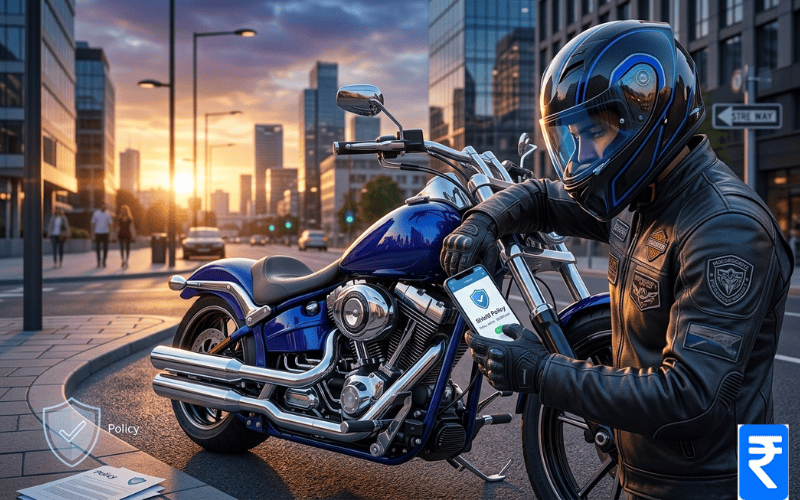
Owning a custom motorcycle means you own a bike that reflects your choices, time, and money. Stock policies can miss value added by custom parts, special paint, and skilled labor. For motorcycle owners looking to add that extra layer of protection for their custom-built vehicle, this guide sheds light to aid decision-making. It focuses on the fundamental awareness owners ought to have about custom motorcycle insurance coverage choices, the factors that affect price, and how claims processes work.
Table of Contents
- The Need for Tailored Protection in Custom Bikes
- How Insurers Value a Custom Motorcycle
- Actual Cash Value vs Agreed Value
- Types of Coverage for Custom Motorcycle Insurance
- Factors That Affect the Cost of Custom Motorcycle Insurance
- Total Loss vs Partial Loss: What Happens Financially
- How to Shop for the Right Policy
- Filing a Claim for a Custom Motorcycle
- Policy Purchase Checklist
- Common Policy Exclusions to Watch Out For
- Repair Options After a Claim
- Conclusion
- Frequently Asked Questions (FAQs)
The Need For Tailored Protection in Custom Bikes
Custom motorcycles often include parts that cost more than factory replacements. Standard policies usually base payout on a stock model or a depreciated market value. That can leave an owner undercompensated after theft or a total loss. Custom motorcycle insurance allows owners to list and value aftermarket parts, paint, and modifications so the settlement reflects the bike you built, not the bike the factory sold.
How Insurers Value a Custom Motorcycle
Insurers use two common methods to value a bike after a total loss.
Actual Cash Value
Actual cash value is the bike’s market value at the time of the loss. Insurers subtract depreciation. For a bike with custom parts, depreciation can mean a lower payout than the cost to rebuild.
Agreed Value
An agreed value sets a payout in advance, agreed to by the owner and insurer. This reduces uncertainty in the event of a covered total loss. If you have rare parts or extensive labor costs, agreed value is often the better option. Choosing an agreed value is a core feature many owners look for when buying custom motorcycle insurance.
When the agreed value is a good choice:
Agreed value fits owners who invested heavily in parts and labor. It gives a clear payout if the bike is a total loss. For many custom owners, small additional premiums for agreed value make sense compared with the risk of a low settlement.
Types of Coverage for Custom Motorcycle Insurance
Key coverage types for motorcycle owners looking to get their custom vehicle insured are as follows:
Liability Coverage
Liability covers bodily injury and property damage caused to others by your actions. In many states, the minimum limits are governed by statute. Liability does not cover repairs to your own bike.
Collision Coverage
Collision pays for the repair or replacement of your motorcycle after a crash with another vehicle or object. Lenders typically require collision coverage for financed motorcycles.
Comprehensive Coverage
Comprehensive motorcycle insurance covers incidents other than crashes, such as theft, vandalism, fire, and storms. For custom parts that can be stolen or broken, thorough coverage is a necessity.
Uninsured and Underinsured Motorist Coverage
This coverage will apply if another driver is at fault in an accident and either has no insurance or too little coverage. It can pay for health-care costs and, in some states, property damage.
Custom Parts and Equipment Coverage
This accessory covers aftermarket parts, custom paint jobs, and performance upgrades. Insurers will often let you schedule parts individually, so you have specific limits on high-ticket items. This scheduling is a major factor in custom motorcycle insurance.
Factors That Affect The Cost of Custom Motorcycle Insurance
The top factors that will affect the cost of your motorcycle insurance look like this:
Value of Parts and Labor
High-cost parts and specialised labour drive premiums up. Insurers account for the replacement cost and the time required for skilled repairs.
Rider Profile
Age, driving history, and experience of the rider factor into the cost. An experienced rider with a clean record is subject to lower premiums. Safety classes or recognised certifications in similar categories can also aid in the reduction of premiums and long-term expenses.
Location and Theft Risk
Risk also depends on where you park or store the bike. The rate of theft and claims is high in the urban domestic areas. If your motorcycle remains protected in a shelter or relatively less penetrable space like a locked garage, that is also factored in while determining the premium.
Use and Mileage
Exposure changes based on how you use the bike. Taking these out daily is going to increase the risk for you compared to seasonal or weekend warriors. Premiums tend to be lower with less driving done annually.
Security Systems
Theft risk can be reduced with GPS trackers and verified alarm systems. A lot of insurance companies give discounts for these kinds of devices.
Policy Structure
Premiums are dependent on liability limits and deductibles. If there is a higher deductible, the premium is lower, but out-of-pocket costs after a claim are higher, too.
Claim History
Previous claims may increase premiums. One of the top strategies for keeping rates even is to be as claim-free as possible.
Total Loss vs Partial Loss: What Happens Financially
- In a total loss case, the insurer pays based on actual cash value or agreed value, depending on your policy.
- If the agreed value applies, the payout is the amount set in advance in your custom motorcycle insurance policy.
- In a partial loss case, the insurer pays for repair costs minus your deductible.
- If repair costs approach the bike’s insured value, the insurer may declare it a total loss.
- After settlement, the insurer typically assumes salvage rights to the damaged motorcycle.
How to Shop For the Right Policy
A careful search helps you match coverage to your bike and find the right custom motorcycle insurance for your needs.
Get Multiple Written Quotes
Compare at least three insurers. Get a letter stating coverage of custom parts and the valuation methods. Specific parts and labor coverage can vary among different insurers.
Ask About Endorsements
Have it in writing for the equipment parts endorsement. Check for agreed value and separate scheduling of parts.
Review Exclusions
Exclusions may restrict coverage for racing, competition, or specific racing-style upgrades. In addition, be aware of what is specifically excluded.
Compare Deductibles and Limits
See how multiple deductibles and limits affect your premium. Strike a balance between the monthly cost you can afford and the deductible you can manage after a loss.
Filing a Claim For a Custom Motorcycle
Here’s the lowdown on how you ought to file your claim and benefit from your insurance policy:
Immediate Steps
- Ensure safety first.
- If needed, report to the police.
- Keep evidence of damage, the scene, and other vehicles documented for submission.
- Jot down the names and contact details of witnesses and potential witnesses.
Inform Your Insurer
Report the claim quickly and list your parts, receipts, and images. Documentation done sooner avoids disputes.
Get Repair Estimates From Specialists
When possible, seek repair shops experienced with custom bikes. Their estimates should include part and labour for custom work.
In Case The Insurer Disputes The Value
Generate receipts, invoices, and appraisals. In case of insurer dispute, most policies go through some sort of arbitration or appraisal process to determine the value of claims.
Policy-purchase Checklist
Use this checklist when shopping for custom motorcycle insurance:
Inventory of custom parts with photos and receipts.
Decision on agreed value versus actual cash value.
Written quotes that list endorsements and limits.
Clarification of any exclusions tied to modifications.
Proof of security devices and storage arrangements.
Common Policy Exclusions To Watch Out For
Know the typical exclusions so you can ask for solutions. The common ones generally fall within the following:
- Racing or competitive use is a frequent exclusion.
- Intentional damage is not covered.
- Normal wear and tear or mechanical failure typically are excluded unless a specific endorsement exists.
- Some extreme performance alterations can void parts of the policy.
Repair Options After a Claim
Insurers may offer repair, part replacement, or a cash settlement under a custom motorcycle insurance policy.
- Repair can restore the bike, but confirm the shop is approved for custom work.
- Replacement depends on part availability. For rare parts, insurers may need time to source components.
- Cash settlement may not match the cost to rebuild a unique bike, so compare repair quotes and replacement costs before you accept cash.
Summing Up
Documenting your build and choosing the right endorsements matters when selecting custom motorcycle insurance. Read the policy language carefully and get any custom parts coverage in writing. Riders who reveal complete details about the customised parts of their motorcycle and pre-determine a coverage value in advance are able to lower financial risks. No uncertainties with regard to settlements loom. Clear records and careful planning help protect both your motorcycle and the money you invested in it.
FAQs
What is the difference between custom motorcycle insurance and a standard policy?
A normal policy values a bike by manufacturer model and market depreciation. Custom motorcycle insurance allows you to specify aftermarket parts and a mutually agreed-upon value for settlement, so you receive enough money to replace custom parts and labor.
How can I demonstrate the value of custom components?
Save receipts, invoices from builders, dated photos of installed parts, and any appraisal reports. They help facilitate value agreement and substantiate a valuation.
Is the agreed value always a lot more expensive?
Not always. Agreed value typically adds to premiums, but depending on your bike, parts value, and insurance provider, it may not be excessive. The increment can be justified in terms of protection for high-value builds.
Will I get refused insurance for performance tweaks?
Some insurers restrict cover on track or for extreme change. Remember to inform your insurer prior to major modifications so you do not miss out on endorsements or the promised coverage.
To prevent a dispute post-claim, what needs to be done?
Maintain accurate documentation, specify agreed value where warranted, and obtain shop estimates with custom in their wheelhouse. They assist in case of theft, also with secure storage and tracking devices.