

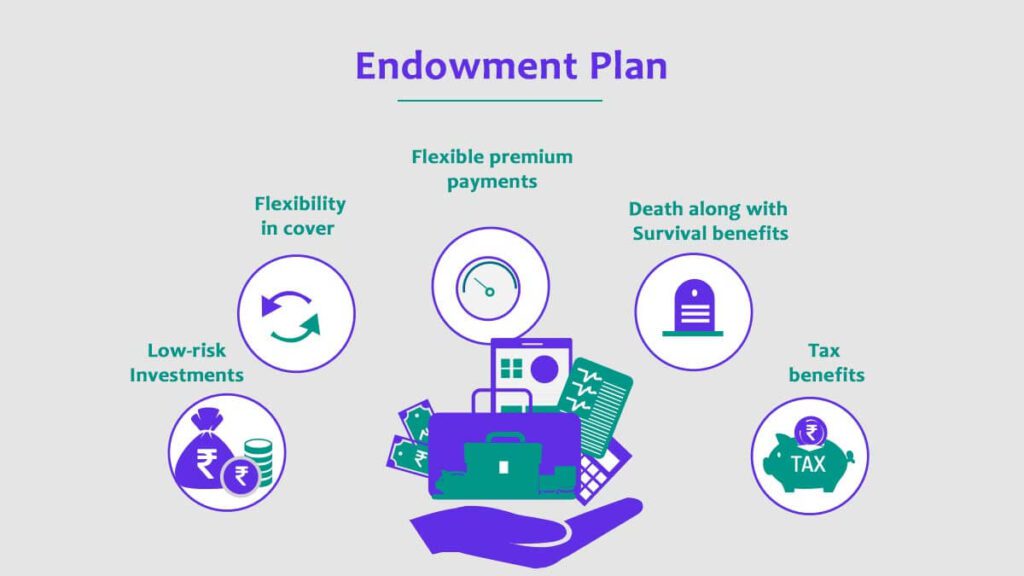
What is the New Endowment Plan 814?
The New Endowment Plan 814 was introduced as a traditional participating endowment policy. It combined life insurance and savings in one contract, which meant the policy protects the family during the term and also creates a lump sum for the future. That made it different from a pure term plan, which only offers coverage during the term. Under this plan, the policyholder paid regular premiums for the chosen term. If the policyholder died during the term, the nominee received the death benefit as per the policy rules. If the policyholder survived till maturity, LIC paid the maturity benefit after completion of the policy term. This structure suited people who preferred simple financial products. It did not depend on fund switching or market movements. Instead, it followed a fixed policy design with bonuses added under the participating rules.Latest Update
The New Endowment Plan 814 plan was withdrawn on February 1, 2020. LIC launched new plans in its place. A new policy can no longer be purchased, but existing policyholders will receive their benefits as scheduled.Features of New Endowment Plan 814
This plan had several features, and each part serves a clear purpose.Participating Policy
This plan was a participating policy. That means it could share in the insurer’s profits through bonuses. These bonuses were not fixed in advance, but they could improve the final payout over time.Non-Market-Linked Structure
The policy was non-linked, which means it did not depend on the stock market or any market fund. This gave the plan a more stable character. Many conservative buyers prefer that kind of structure because they know the policy does not change with market volatility.Flexible Premium Payment
The plan allowed premium payment in different modes. Policyholders could usually pay yearly, half-yearly, quarterly, or monthly. This helped families match the policy with their income patterns.Benefits of New Endowment Plan 814
Here are the major benefits the New Endowment Plan 814 provided:Combination of Insurance and Savings
The New Endowment Plan 814 offered a mix of protection and savings. That combination was its main appeal, especially for families that wanted one policy to serve more than one purpose.Death Benefit
One major benefit was life cover throughout the policy term. If the insured person died while the policy remained active, the nominee received the death benefit. This helped the family manage financial pressure at a difficult time.Matuiry Payout
If the policyholder completed the full term and kept the policy in force, the plan paid the sum assured along with bonuses, if applicable. That lump sum could support education, marriage, retirement planning, or other future needs.Disciplined Long-Term Savings
The plan also supported long-term savings discipline. Regular premiums created a habit of consistent saving, which many households find useful. The policy worked best for people who wanted a structured approach rather than a flexible investment product.Eligibility for New Endowment Plan 814
The eligibility rules for the New Endowment Plan 814 were clear. LIC kept the entry conditions broad enough to suit a wide age group.Basic eligibility criteria
- Minimum Entry Age: 8 years completed
- Maximum Entry Age: 55 years nearest birthday
- Maximum Maturity Age: 75 years nearest birthday
- Minimum Policy Term: 12 years
- Maximum Policy Term: 35 years
- Minimum Basic Sum Assured: ₹1,00,000
- Maximum Basic Sum Assured: No upper limit stated
- Sum Assured in Multiples of: ₹5,000
How Bonuses Affected the Final Value
Bonuses were an important part of the New Endowment Plan 814.- Since the policy participated in profits, LIC could declare bonuses during the policy period. These bonuses were then added to the value of the policy under the plan conditions.
- A simple reversionary bonus is usually built up over time.
- In some cases, LIC could also add a final bonus at claim or maturity, depending on policy rules. This gave the policy a savings element beyond the basic sum assured.
Loan, Surrender, and Paid-Up Value
The New Endowment Plan 814 gave some room for financial adjustment. That was important because a long-term policy should not feel completely fixed from start to finish.Loan Against the Policy
Once the policy acquired surrender value, the policyholder could take a loan against it. This feature helped during temporary cash needs. It allowed access to money without immediately ending the policy.Continued as Paid-up Policy
If premiums stopped after the minimum required period, the policy could continue as a paid-up policy. In that case, the policy would remain in force with a reduced benefit. This gave the policyholder some protection even if payments could not continue.Surrender Option
Surrender was another option, but it usually reduced the value received compared with completing the term. That is why surrender is generally a fallback choice, not the preferred route. A policy like this works best when it stays active for the full term.Who Could Consider This Policy?
Even with the easy eligibility criteria, the policy was designed keeping certain people in mind.- This policy better suited people who want a simple and disciplined savings-cum-protection plan.
- It worked for salaried earners, parents planning long-term expenses, and individuals who prefer traditional life insurance structures.
- It was especially relevant for buyers who value certainty more than aggressive growth.
- It was also for people who wanted one plan for both safety and future money needs. The policy protects the family, while the maturity amount can support planned expenses later. That combination can feel practical for households that want a simple solution.
Why the Plan Suited Conservative Buyers
The New Endowment Plan 814 worked well for people who preferred stability. Here’s why:- Ease of Management and Stability: It did not ask the policyholder to track market changes or review funds every year. That simplicity made the policy easier to hold for the long term.
- Integrated Protection and Savings: It suited people who wanted both insurance and savings in one place. Some families prefer a single policy rather than managing separate plans for protection and future savings. This product fits that kind of thinking.
- Support for Long-Term Goals: The plan also created a sense of financial discipline. Premiums had to be paid regularly, which helped people stay committed to long-term goals. That can be useful when saving alone feels inconsistent.
Who was This Policy Not Ideal for?
Here are the different instances when the policy did not provide the best match:- It was not the best fit for those who want frequent flexibility.
- It was not built for active investing or short-term use.
- The plan worked better when the policyholder could stay committed for many years.
Key Things to Check Before Choosing a Similar Plan
Here are three major factors to consider when opting for a similar policy:Balance Between Cover and Savings
Anyone studying the New Endowment Plan 814 should look at the balance between cover and savings. A traditional endowment plan often gives lower growth than a market-linked product, but it offers a more stable structure. That trade-off matters a lot.Check Adequacy of Life Cover
It is also useful to check whether the life cover is enough for the family. Some endowment plans create savings value, but the insurance cover may still be modest compared with a pure term plan. That is why the policy should match the real protection needs.Be Prepared for Long-Term Premium Commitment
The premium commitment also needs attention. These plans work best when held for the full term, so the buyer should be ready for regular payments. If a policy lapses early, the benefit can reduce sharply.Conclusion
The New Endowment Plan 814 stood out because it gave policyholders one clear structure to work with, life cover during the term and a maturity amount at the end, and added value through bonuses when the policy stayed active. It also allowed some breathing room through loan, paid-up, and surrender options, which made it more practical than a rigid savings policy for many households. For readers studying this plan, the main takeaway is not about quick growth, but about steady commitment and predictable financial planning over time. At the same time, the plan was not a match for every buyer. It suited people who preferred discipline, long holding periods, and a simple insurance-plus-savings format, while those looking for faster growth or greater flexibility usually needed a different product. Since LIC has withdrawn this plan from fresh sale, it now serves mainly as a reference point for understanding how a traditional endowment policy works and what kind of needs it was built to serveFrequently Asked Questions
Q1. What is the main purpose of New Endowment Plan 814?
The New Endowment Plan 814 combines life insurance and long-term savings in one policy. It protects the family during the policy term and pays a maturity amount if the policyholder survives till the end. LIC designed it for people who want a simple, traditional plan structure.
Q2. Who could buy the New Endowment Plan 814?
LIC allowed entry from age 8 years completed up to 55 years nearest birthday. The policy term ranged from 12 years to 35 years, and the maximum maturity age was 75 years nearest birthday. The plan, therefore, covered both younger and middle-aged buyers who wanted long-term savings.
Q3. Did the plan provide guaranteed returns?
The plan provided a basic sum assured and also allowed bonuses, but the bonus part was not fixed in advance. LIC said the policy participated in profits, so simple reversionary bonuses depended on the corporation’s experience. That makes the plan more predictable than market-linked products, but not a fixed-return instrument.
Q4. Could the policyholder take a loan against the policy?
Yes, LIC said the plan included a loan facility. This helped policyholders meet urgent financial needs after the policy built value. The exact loan amount would depend on the policy terms and the value available at that stage.
Q5. Is New Endowment Plan 814 still available for new purchase?
No, LIC has withdrawn this plan on February 1, 2020. It is no longer sold as a new product. Existing policyholders can still follow the terms of their original policy.