

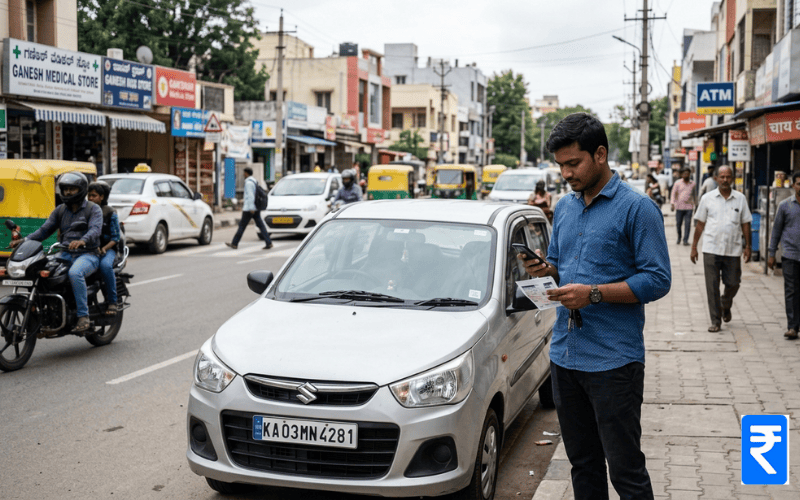
Car insurance is a necessary expense for vehicle owners in India, mainly because it is legally required. Now, in many cases, people buy a policy just to stay compliant, without spending much time comparing different options.
When this happens, and the focus is on keeping costs low, the search often shifts to finding the cheapest third party car insurance available. This is especially common for older cars or vehicles that are not used frequently, where paying for wider coverage may not seem necessary.
However, this is also where confusion often starts. If premiums are regulated, is there really a “cheapest” option? And if so, how should different plans actually be compared?
Basically, understanding how third-party insurance works, what affects its pricing, and where small variations come from can help in making a more practical and informed decision.
What Is Third-Party Car Insurance?
Before comparing options, it’s important to understand what third-party car insurance actually is.
Well, in simple terms, if your car is involved in an accident and a third person suffers loss, whether it is injury, death, or damage to their property, third-party car insurance helps cover those legal and financial liabilities.
Now, the term “third party” refers to anyone other than:
- you (the policyholder), and
- your insurer
So, any person affected by your vehicle on the road is considered a third party under this policy.
In India, this is the minimum insurance required by law under the Motor Vehicles Act. It ensures that victims of road accidents receive compensation, even if the vehicle owner is unable to pay out of pocket. This is why many vehicle owners start their search with the cheapest third-party car insurance when the goal is to meet legal requirements at a lower cost.
Why Many Drivers Look for the Cheapest Third-Party Car Insurance
In India, a lot of people don’t spend too much time choosing car insurance. For many, it’s something they buy only because it’s required. So the focus usually shifts to finding the cheapest third party car insurance that gets the job done.
This is especially true for older cars. If the vehicle is already a few years old and not worth much, paying extra for broader coverage doesn’t always seem necessary.
Besides that, it’s similar for cars that aren’t used much. Some people only drive occasionally, so they prefer to keep the cost as low as possible instead of paying for coverage they may not really use.
Money is also a factor. Insurance is a yearly expense, and for some buyers, keeping that cost down matters more than anything else.
At the same time, going for the cheapest option isn’t always enough. It depends on the car, how often it’s used, and what kind of risks are involved.
How Third-Party Premiums Are Actually Decided in India
When people try to find the cheapest third party car insurance, it often feels like prices should vary a lot from one company to another. But in reality, that difference is usually quite small.
This is because third-party insurance premiums in India are not freely decided by insurers. The base price is set by the Insurance Regulatory and Development Authority of India (IRDAI), mainly based on the engine size of the car.
In simple terms, cars are grouped into slabs:
- Smaller engines fall into the lower premium range (Up to 1000 cc)
- Mid-sized engines fall into a middle range (1000 cc to 1500 cc)
- Larger engines attract higher premiums (Above 1500 cc)
Now, because of this system, two insurers will often quote very similar base prices for the same vehicle.
That said, the final amount you pay may still differ slightly. This usually comes from things like GST, the platform you are buying from, or whether the policy is for one year or multiple years.
So while the base pricing is fixed, small variations can still exist depending on how and where the policy is purchased.
Where to Compare the Cheapest Third-Party Car Insurance
Most people don’t stick to one place when buying car insurance. They usually check a couple of options, sometimes directly on insurer websites, sometimes through comparison platforms, and sometimes just based on their previous policy.
All of these options can show slightly different final prices, even for the same vehicle. This is where the idea of finding the cheapest third party car insurance comes in, but the difference is often smaller than expected.
What matters more is how the price is being shown. Some platforms include GST and all charges upfront, while others may show a lower base amount first and add costs later.
It also helps to check what type of policy is being selected. In some cases, a plan may look cheaper simply because the details are not entered correctly, or the coverage type is different.
Small variations can come from:
- Where is the policy purchased?
- How long is the policy for?
- Minor platform-related charges.
In fact, this is exactly why comparing options is useful. However, it is also important to check the details properly. Looking only at the lowest number without verifying the policy can lead to confusion later.
Step-by-Step: Steps to Find the Cheapest Third-Party Car Insurance
Here are some simple steps to find the cheapest third party car insurance:
Step 1: Keep your vehicle details ready
Before you start, keep basic details handy. You will usually need:
- car registration number
- engine capacity
- year of manufacture
- previous policy details (if it’s a renewal)
Entering correct details matters. Even small mistakes can change the price or create issues later.
Step 2: Check more than one option
It helps to look at at least two or three places instead of relying on a single quote. You can check:
- insurer websites
- one comparison platform
- your existing insurer (for renewal)
The difference may not be huge, but it gives a clearer picture of the actual price.
Step 3: Look at the policy duration
Third-party insurance can be bought for one year or for a longer period (especially for new cars). Long-term policies may look expensive upfront, but sometimes they work out better over time and reduce the need for yearly renewal.
Step 4: Check the details before selecting the policy
Before choosing the cheapest third-party car insurance, take a moment to verify:
- whether it is only third-party coverage
- personal accident cover (if included or required)
- policy validity dates
- correct vehicle category (private or commercial)
A policy that looks cheaper can create problems later if the details are wrong.
Step 5: Complete the purchase and save the policy
Once everything looks correct, complete the purchase through a reliable platform, either the insurer’s website or a known aggregator. After payment, download the policy document and keep a copy. It may be required during checks or in case of any issue later.
What Affects the Final Price You Pay
Even though the base premium is fixed, the final amount you pay can still vary slightly. This is where many people get confused while looking for the cheapest third-party car insurance.
One of the main factors is the engine capacity of the vehicle, since pricing is based on predefined slabs. Beyond that, a few practical things can affect the final cost.
Policy duration is one of them. A one-year policy and a long-term policy will have different upfront costs, even though they are based on the same pricing structure.
The platform you use can also make a small difference. Some websites include all charges upfront, while others add service fees later during checkout.
GST is another component. Motor insurance in India currently attracts 18% GST, which is added to the base premium.
These differences are usually small, but they explain why the final price may not be exactly the same everywhere.
When Choosing the Cheapest Option May Not Be Ideal
Cost is important, but it should not be the only factor. In some cases, going for the cheapest third party car insurance may not be enough for the level of risk involved.
For example, if the car is relatively new, the cost of repairs can be high. Since third-party insurance does not cover damage to your own vehicle, any repair expense would have to be paid out of pocket.
The same applies when the car is under a loan or hypothecation. In many cases, lenders expect the vehicle to have broader coverage, not just third-party insurance.
Usage also makes a difference. If the car is driven regularly or for long distances, the chances of damage increase. In such situations, relying only on basic coverage may not be practical.
Another point to consider is theft or natural damage. Third-party insurance does not cover these risks, so if protection against such situations is important, a more comprehensive policy may be required.
Common Mistakes to Avoid While Buying
While looking for the cheapest third party car insurance, it’s easy to focus only on price and overlook a few basic details. These small mistakes can create problems later.
One common mistake is choosing a policy purely based on the lowest price. If the coverage type or details are not checked properly, it may not match the actual requirement.
Another issue is entering incorrect vehicle information. Even small errors in engine capacity, registration details, or vehicle type can affect the policy and lead to complications at the time of a claim.
Missing the renewal date is also a problem. If the policy expires, it can lead to penalties and may also increase the cost when renewing later.
Some buyers also ignore long-term options. While they may look expensive at first, they can sometimes be more convenient and cost-effective over time.
Taking a few extra minutes to review these details can help avoid unnecessary issues after purchase.
Legal Importance of Maintaining Third-Party Insurance
In India, having at least third-party car insurance is not optional. It is a legal requirement under the Motor Vehicles Act for every vehicle on the road.
Driving without a valid policy can lead to penalties, which may include fines and, in some cases, further legal action depending on the situation. It can also create serious complications if an accident occurs, as the vehicle owner may be held personally responsible for any damage or injury caused to others.
This is why many vehicle owners choose the cheapest third party car insurance; it helps them meet the legal requirement at a basic level. However, the key point is not just the cost, but ensuring that the policy is active and valid at all times.
Conclusion
Finding the cheapest third party car insurance is not really about big price differences, because the base premium is mostly fixed. What usually changes is the final amount, depending on where you buy and how the policy is set up. For many people, this type of insurance is enough to meet legal requirements, especially if the car is older or not used much. But it’s still important to understand what it does and does not cover.
In the end, checking the details properly matters more than just going for the lowest price.
FAQs
1. Do I need to have third-party car insurance to drive in India?
Yes. The law says that every car must have third-party car insurance to drive on roads. If you do not have third-party car insurance you can get in trouble. Every car owner in India needs to have least third-party car insurance.
2. Why do all third-party car insurance prices seem to be the same?
This is because the base price is set by the IRDAI and it depends on how big your car engine’s. So the prices are much the same for all insurance companies. You might see a difference in the final price because of taxes or other charges.
3. Will third-party car insurance pay for damage to my car?
No. Third-party car insurance only covers damage or injuries to people. If your own car gets damaged you will not get any money from this type of insurance. You need to get a different kind of insurance to cover your own car.
4. Can third-party insurance be purchased online instantly?
Yes you can usually buy it online in a few minutes. Many insurance companies will give you the policy soon as you pay for it. This makes it easy to compare prices and find third-party car insurance.
5. Is long-term third-party insurance cheaper than annual renewal?
Long-term policies may reduce the need for yearly renewal, but the upfront cost is higher. In some cases, they can be more convenient. It depends on the vehicle and the buyer’s preference.