

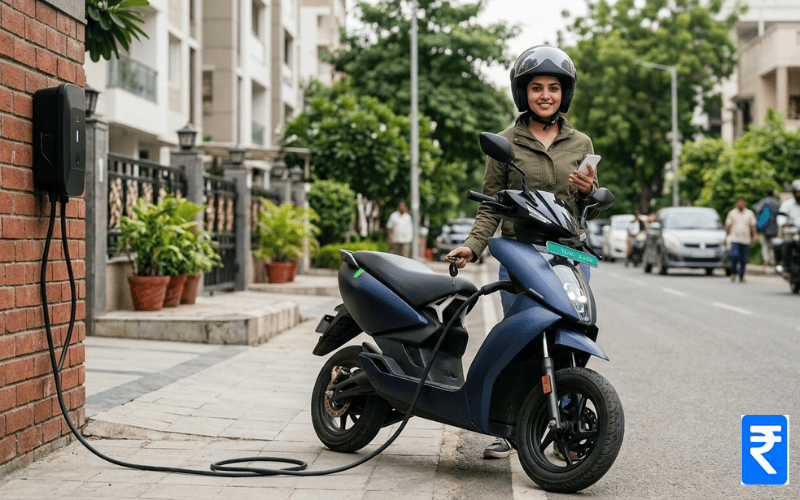
A warming world continues to push everyone in the direction of carbon-neutral purchases and sustainable decisions. This is also why electric motorcycles, whether they are scooters, mopeds, or e-bikes, have quickly become the preferred choice for environmentally friendly transportation in urban settings. However, with their popularity comes risk. These vehicles come with expensive parts, and in light of how frequently accidents, theft, fire, and natural disasters all occur, financial health crops up as a concern. Safeguarding your vehicle, especially in financial terms, then, becomes crucial. In the absence of electric bike insurance, you’re forced to face legal implications as well as rack up a bill for damages.
In this article, we explore everything you need to know before choosing an electronic bike insurance policy. We cover the array of policies in the market, how much they cost, how claims can be filed, and the smart tips you can use along the way to avoid burning a hole in your pocket.
What Is Electric Bike Insurance?
Electric bike insurance is a type of motor insurance created to cover two-wheeled vehicles that run on electric power. As per the Motor Vehicles Act, 1988, insuring an electric two-wheeler against third-party liabilities is compulsory. No person in the country is allowed to legally operate an electric vehicle on the public roads of India unless they possess third-party liability insurance for an authorized insurer.
The following vehicles can be considered electric vehicles:
- Electric scooters
- Electric mopeds
- Electric cycles
What Electric Bike Insurance Usually Covers
Broadly speaking, an e-bike insurance will provide coverage for:
- Accidental Damage: Repairs or replacement after a road accident or collision.
- Theft & Vandalism: Reimbursement if the bike is stolen or maliciously damaged.
- Fire & Natural Calamities: Storms, floods, earthquakes, lightning, or fire. It is usually covered under comprehensive plans.
- Third-Party Liability: Pays legal liabilities if others are injured or their property is damaged.
- Legal Defense Costs: If you’re sued after an accident, legal expenses may be included.
What’s Usually Not Covered
Electric bike insurance plans often do not provide coverage for damages to the e-bike or a third party in situations such as the following:
- Riding without a valid driver’s license
- Riding under the influence (alcohol/drugs)
- Regular wear and tear
- Mechanical/electrical breakdowns due to age
- Illegal usage or non-declared commercial use
Always go through the policy booklet before signing.
Types of Electric Bike Insurance in India
Electric bike insurance policies in India typically come in three types:
Third Party E-Bike Insurance
Third-party insurance is the mandatory minimum insurance that you ought to possess to comply with the legal rules. It offers financial protection in cases where:
- Injury or damage has been caused to a third person due to your e-bike
- Injury or damage has been caused to a third party’s vehicle/property due to your e-bike
Third-party e-bike insurance does not protect you financially against the damage your e-bike sustains in an accident or mishap. However, for someone looking for minimal coverage, it’s usually the cheapest policy option.
Standalone Own-Damage E-Bike Insurance
As the name suggests, SAOD insurance policies act as financial safeguards when your vehicle suffers damage on the road. It offers coverage for:
- Damage caused to the e-bike due to accidents or collisions
- Damage caused to the e-bike due to fire, burglary, theft, etc
- Pays for repairs or replacements in case of damage caused to the e-bike due to natural calamities or artificial disasters
It’s an optional policy, but tends to be strongly recommended for higher-value e-bikes.
Comprehensive E-Bike Insurance
A comprehensive e-bike insurance policy blends third-party and SAOD plans to provide complete financial protection in one plan.
- Provides coverage in case of damage caused to a third party by your e-bike
- Provides coverage in case your e-bike suffers damage due to natural or artificial calamities, theft, fire, burglary, etc.
It is typically the most popular choice because it protects the rider as well as the e-bike comprehensively.
Add-Ons
Beyond basic insurance, additional protections called add-ons or riders are opted for by e-bike owners looking for robust safeguards. These often include:
- EV Shield Cover: It ensures you’re financially protected against potential electrical failures, wiring issues, internal short circuits, externally inflicted damage to EV parts and other vehicle-related risks.
- EV Battery Cover: Designed to provide coverage for the most expensive part in your e-bike – the battery, it comes through when your battery sustains damage from accidents, fire, water ingress, overloads, etc.
- EV Electric Motor Cover: It provides coverage in cases where the motor of your e-bike sustains damage due to overheating, fire, flood, electrical faults, accidents, etc.
- EV Charger and Accessories Cover: It ensures you’re financially protected in case the charging cable or wall-mounted charging accessories for your e-bike sustain damage due to electrical faults, theft, or total loss.
- Electrical Surge Secure: It provides coverage in cases where the e-bike or its charging accessories are a partial or total loss.
- Allowance for Battery Depreciation: It helps compensate for the depreciation amount deducted for your battery under the main insurance policy/ies.
Benefits of Insuring Your Electric Bike in India
Getting electric bike insurance isn’t just about obeying the law but about financial safety and peace of mind. Here’s how you benefit from getting your e-bike insured:
Ensures Legal Compliance
If your electric bike goes faster than 25 km/h or has a motor more powerful than 250 W, it must be registered with the transport authority and insured with a valid third-party policy to be legal on public roads. With a valid insurance, you don’t risk fines and penalties and get partial to full cover in case of accidents or unforeseen mishaps.
Provides Robust Protection
In India, two-wheeler insurance claims (including electric bikes) climbed about 15% recently across all bike types, due to higher traffic, more riders, and more incidents on busy urban roads. Importantly, electric vehicle claims are filed more often and cost more than petrol bike claims, partly due to expensive components like batteries and electrical systems. An electric bike insurance ensures that you have comprehensive and holistic financial protection and do not have to incur high costs on your EV in case of mishaps.
Leads to Cost Savings
Electric bike batteries alone can make up 40% – 60 % of the vehicle’s cost. That means if your battery is damaged in a crash or fire, the repair bill can be huge unless you have dedicated battery protection in your policy. Being insured, therefore, leads to extensive cost savings in the long run.
Peace of Mind
Even if you never make a claim, having insurance gives you confidence that unexpected events in life, such as theft, flood damage, or collision repairs, don’t land you in financial trouble. Every spin you take your e-bike on is stress-free and enjoyable.
Electric Bike Insurance in India: Costs
The price of electric bike insurance, essentially the premium paid by policyholders, depends on several factors:
Age of the Bike
A brand new e-bike will attract higher premiums while an old one will draw lower ones. The difference lies in the higher risk involved in repairing or replacing parts in a new e-bike in comparison to an older one.
Invoice Value / Insured Declared Value (IDV)
The IDV of your e-bike helps insurers determine the premium you pay based on the current market value of the EV. The higher the IDV, the higher the premium you’re meant to pay.
Type of Coverage
While obtaining only third-party liability insurance means investing less, SAOD (Standalone Own-Damage) policies are slightly more expensive. Comprehensive electric bike insurance plans with add-ons are the costliest.
Your RTO and Location
RTO expands to Regional Transport Office. If you ride your e-bike in metro cities, the premiums tend to rise due to a higher risk of damage, while non-metros typically attract comparatively lower premiums.
Electric Bike Insurance vs Traditional Bike Insurance
You might wonder if you can just use traditional bike insurance instead of a distinct electric bike insurance. The answer remains consistent. You need specialized electric bike insurance if you want full protection. Here’s why:
1. Different Risk Profile
Electric bikes depend heavily on electrical components, such as an EV battery, controller, and EV motor. These are not covered by regular bike insurance. These parts are unique to electric vehicles and often expensive to repair.
2. Battery & Electrical Claims
Battery damage from short circuits, overheating, or electrical fires is common in EV incidents. Traditional bike policies often exclude these. Electric bike insurance plans include specific riders for EV-related risks.
3. Claim Processing
Since electric bikes have unique parts, claim processing may involve battery diagnostics and OEM (Original Equipment Manufacturer) repair approvals, which differ from standard engine repairs.
How to File a Claim for an E-Bike: A Step-by-Step Guide
Filing an electric bike insurance claim can seem intimidating on the surface, but it’s manageable if you follow these steps:
Step 1: Contact Your Insurer Immediately
Report the accident, theft, or damage within 24 – 48 hours. Most insurers have phone, email, or app reporting options.
Step 2: Document the Incident
Take clear photos of the damage, the accident and bike location (if applicable), injuries (if any) and relevant surroundings.
For theft, filing a police FIR is mandatory for most theft claims.
Step 3: Submit Required Documents
The typical document submission process requires you to keep the following handy:
- Copy of the insurance policy
- Registration Certificate (RC)
- Driving license
- FIR (for theft/third-party claims)
- Photos of damage or accident
- Bills and other details for reimbursements
Step 4: Insurer Inspection
In many cases, an insurer’s surveyor inspects the e-bike before repairs are authorized or reimbursements are approved.
5. Repair or Reimbursement
Depending on whether you choose cashless repair in a network garage or reimbursement, the insurer will either pay the garage directly or reimburse you.
Wrapping Up
Electric bike insurance is more than a legal formality. It’s a practical shield that protects you from unexpected financial shocks. With electric bikes becoming increasingly popular for commuting, personal mobility, and sustainability reasons, the risks of accidents, theft, fire, and third-party liabilities have also grown. Since electric vehicle batteries typically represent 40 – 60% of the cost of a vehicle, safeguarding your investment is critical for your long-term financial health.
Finding a good electric motorcycle insurance policy that is both affordable and highly protective will require a careful evaluation of your options. A minimum level of protection can be ensured through third-party policies. At the same time, add-ons like EV battery coverage and battery depreciation coverage can substantially mitigate your protection risk, leading to cost savings, too.
FAQs
1. Is electric bike insurance mandatory in India?
Yes. If your electric bike exceeds 250W motor power or 25 km/h speed, it must be registered and covered with at least a third-party insurance plan under the existing motor vehicle regulations. Riding without insurance can result in penalties and other legal implications.
2. Does electric bike insurance cover battery damage?
Battery damage is typically covered by insurance plans only if you purchase a battery protection add-on under a comprehensive electric bike insurance policy. Since batteries can form up to 40 – 60% of the vehicle’s cost, this add-on is highly recommended.
3. How much does electric bike insurance cost?
The premium amounts for third-party electric bike insurance may typically start at ₹457 per annum. However, the rate is based on the electric bike’s motor power and varies between insurers. The premium amounts charged for comprehensive electric bike insurance can also typically range from ₹600 to ₹2,000 per annum based on the electric bike’s value and whether the policyholder opts for add-on coverages to the main electric bike policy.
4. What documents are required to file an electric bike insurance claim?
Typically, a smooth claim process requires the potential policyholder to submit the policy document, the registration certificate (RC), driving license, FIR (for theft or major accidents), photos of the damage, repair estimates, etc. The exact list may vary by insurer.
5. Is third-party insurance enough for electric bikes?
Third-party liability insurance is mandatory by law, but it does not provide coverage if the insured’s electric two-wheeler is involved in an accident and the EV sustains damage. When purchasing electric bike insurance, it may be advisable to purchase a comprehensive electric bike insurance policy to cover situations involving theft of the electric bike. Fire damage to the electric bike, electric bike accident damage, battery failure, etc, can also be accounted for by opting for add-ons or an SAOD policy.