

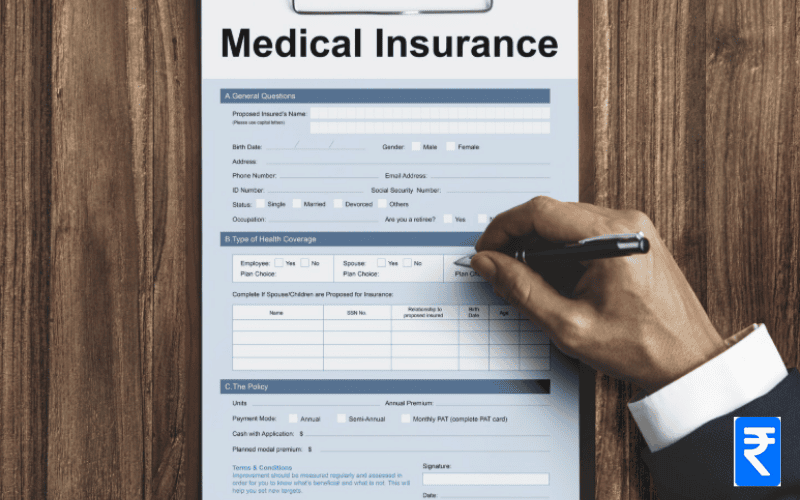
Health insurance policies can provide protection during vulnerable times. When your physical health is at risk, you can stay financially protected knowing you have a health insurance policy. It is important to remember that there are verification processes in insurance claims that may seem challenging and time-consuming. Medical inflation and stricter claim scrutiny make disease identification and medical verification important. Understanding these factors can help you feel more at ease during claim settlements.
This article explores how the disease identify in insurance claim and explains the step-by-step process of disease identification in claims.
Table of Content
- Why Disease Identification Matters in Insurance Claims
- How Insurance Policies Define Disease
- Pre-Existing Diseases
- Specific Diseases
- Chronic vs Acute vs Critical Illness
- Chronic Illness
- Acute Illness
- Critical Illness
- Types of Health Insurance Claims
- Step-by-Step Process of Disease Identification in Insurance Claims
- Step 1: Claim Intimation
- Step 2: Submission of Medical Documents
- Step 3: Scrutiny by the Insurer
- Step 4: Disease Classification
- Step 5: Pre-Existing Disease Verification
- Step 6: Final Decision
- Common Reasons for Rejection
- How to Avoid Claim Rejection
- Conclusion
- FAQs
Why Disease Identification Matters in Insurance Claims
Identifying disease in health insurance is a key factor to ensure smooth and hassle-free claim settlements. When a policyholder makes a claim, the insurer verifies the medical documents to ensure the policy covers the claim. Health insurance companies have terms and conditions regarding illnesses and coverage of treatments. For a successful claim settlement, the disease must be identifiable to the insurer. If the medical records do not clearly document or support the diagnosis, the insurer may reject the claim.
That is why it is essential to accurately mention any pre-existing conditions when purchasing a policy. Insurers generally cover pre-existing diseases only after a certain waiting period, which differs for each insurer. If you make a claim for treatments of a pre-existing condition that the policy does not cover, the insurer may automatically reject it. To avoid such situations, it is crucial to identify the disease clearly while purchasing a policy. Proper disease identification also helps in benefiting the most from the health insurance policy.
How Insurance Policies Define Disease
To comprehend how the disease identify in insurance claim, policyholders will need to understand the following classifications.
Pre-Existing Diseases
Pre-existing diseases are diseases that exist before purchasing a health insurance policy, which include chronic conditions like diabetes, hypertension, thyroid, and heart conditions. Identify and clearly mention such diseases when purchasing the policy to ensure claim approval. If you do not disclose chronic conditions, the insurer will not cover them later. Coverage for pre-existing diseases is generally offered after a specific waiting period that may range from 2 to 3 years. There are some policies that cover pre-existing diseases from day 1 of the policy. During this waiting period, any claims that are made for pre-existing disease treatments will not be covered.
Specific Disease
The waiting period not only applies to pre-existing diseases but also extends to certain diseases that occur after the purchase of the policy. The diseases that have a built-in waiting period are generally the ones that aren’t considered emergencies. They are either slow-progressing diseases or mid-level surgeries like cataracts, hernia, joint replacements, and certain gynecological disorders. Such diseases have a waiting period of 2 to 3 years, depending on the policy terms.
Chronic vs Acute vs Critical Illness
Chronic and acute illnesses have different waiting periods. The following distinguishes the nature of the disease and its waiting periods.
Chronic Illness
These are diseases that are defined as lasting for a long period of time, usually up to 1 or more years. Chronic diseases such as diabetes or thyroid require frequent medical visits and treatments and are generally classified under pre-existing diseases. Having and submitting thorough medical reports will help ensure some claim settlements, as undisclosed underlying chronic conditions lead to rejection.
Acute Illness
Conditions like appendicitis, pneumonia, and viral infections are diseases that develop rapidly and are often unpredictable. Such diseases are usually covered under a health insurance policy after the initial 30-day grace period of a new policy.
Critical Illness
For critical illnesses, health insurance companies offer critical illness cover, which can be purchased either as a rider or a separate policy. Critical illnesses such as cancer, kidney failure, heart attack, and paralysis require treatments that can be expensive, and so the insurers provide a lump sum payout on diagnosis.
Types of Health Insurance Claims
To understand how the disease is identified in insurance claims, knowing the types of claims in health insurance is crucial. There are two types of claims:
- Cashless Claim: When a policyholder receives treatment at a network hospital, the insurer settles the claim directly with the hospital. This type of claim is generally considered hassle-free as they require minimal documents.
- Reimbursement Claim: Policyholders first pay the hospital bill directly. Then they file a claim with the insurer to cover the medical expenses. This type of claim requires medical bills and receipts for claim settlement.
Step-by-Step Process of Disease Identification In Insurance Claims
The following section explains how the disease is identified in insurance claims and the verification process involved.
Step 1: Claim Intimation
The disease identification process starts with the claim notification from the policyholder. The insured must inform the insurer at least 48 hours before any medical procedure. In emergencies or hospitalisation, they must inform the insurer as soon as possible. Although this time period may vary depending on policy terms.
Step 2: Submission of Medical Documents
After the insured intimates the claim and completes the medical procedure, they must submit relevant medical documents about the disease and treatment. Such documents include a discharge summary, hospital bills, a doctor’s prescription, and diagnostic reports like an MRI, X-rays and blood tests. Past medical records will also be required in case of chronic conditions. These documents act as proof of the treatment undergone to ensure they are covered under the policy.
Step 3: Scrutiny by the Insurer
The process after the submission of medical documents is scrutiny. At this stage, the insurer cross-checks the policyholder’s documents against the diseases covered under the policy.
Step 4: Disease Classification
The insurer classifies diseases using the International Classification of Diseases (ICD) codes. This classification helps the insurer identify the disease and the conditions to check whether the disease aligns with the listed diseases the policy covers.
Step 5: Pre-Existing Disease Verification
In cases of chronic diseases, the insurer verifies whether the policyholder disclosed the condition when purchasing the policy.
Step 6: Final Decision
If the disease is identified accurately after medical verification, the claim will be settled with the insurer.
Common Reasons for Rejection
Below are the common reasons for a health insurance claim rejection.
- When the submitted medical records are incomplete.
- If the pre-existing disease is found undisclosed while purchasing the policy, any claims made to cover the treatment of pre-existing diseases will lead to rejection.
- Every policy has certain terms and conditions, and if the diagnosed disease is not under the listed diseases of the policy, the claim might get rejected.
- If the insurer finds that the claim was fraudulent or fake, the claim will be rejected since it is considered a breach of trust.
How to Avoid Claim Rejection
Claim rejections are not uncommon, but many of them are avoidable. Transparency and accuracy can help.
| What Not to Do | Why It Matters |
| Do not hide or skip pre-existing conditions. | Non-disclosure can lead to claim rejection after verification. |
| Do not submit incomplete or missing documents. | Insufficient records make it difficult for insurers to verify the claim. |
| Do not ignore waiting periods or coverage limits. | Claims made during waiting periods or outside coverage may be rejected. |
| Do not delay informing the insurer. | Late intimation may violate policy conditions and delay or reject the claim. |
| Do not always choose non-network hospitals randomly. | Network hospitals simplify verification and enable smoother cashless claims. |
| Do not provide incorrect or inconsistent information. | Errors or mismatches can raise red flags during claim scrutiny. |
Conclusion
Understanding how insurers identify and verify diseases in health insurance claims makes the process more transparent and less stressful. From accurate disclosure at the time of purchase to proper documentation during treatment, each step plays a crucial role in claim approval. By staying informed about policy terms, waiting periods, and verification procedures, policyholders can ensure smoother claim settlements and make the most of their health insurance coverage.
FAQs
What does the critical illness insurance cover?
Critical illness insurance covers life-threatening illnesses such as cancer, heart attack, and organ failure. This can be purchased either as a rider with a standard health insurance policy or as a standalone policy.
Can I file more than one claim in a policy term?
A policyholder will be allowed to make claims until the sum insured is exhausted. Generally, there is no limit on how many claims can be made, but depending on the insurer, the terms may vary
How can I check whether a disease is covered under my health insurance policy?
To check if a disease is covered under your health insurance policy, you can read the policy terms and conditions of the insurer, which will list the diseases that will be covered under the policy.
Will my health insurance cover a disease diagnosed after I buy the policy?
For acute illnesses that are unpredictable, a health insurance policy usually covers the expenses. But, pre-existing diseases such as chronic conditions, if found undisclosed, will not be covered.
Why is my claim rejected for a disease even though it is listed as covered?
There can be certain reasons, like medical documents are incomplete, the waiting period is not completed, or certain policy exclusions apply.