

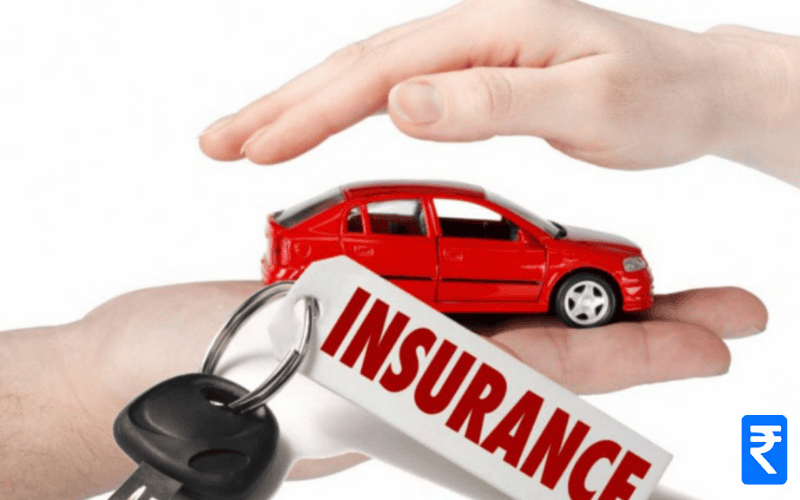
While you can’t always predict or prevent mishaps on the road, you surely can prepare to handle repercussions. For instance, you can opt for a motor insurance that can cover most of the damages done by said unfortunate events. Motor insurance can provide financial protection against both self and third-party liabilities.
Once you understand what is motor insurance policy coverage and benefits is, you will be able to choose the right policy that works for you. That’s exactly what this blog explores. So, let’s begin!
What motor insurance is
Motor insurance helps you meet unexpected expenses that may arise if your vehicle meets with an accident. It can also monetarily assist you in case of theft or natural disasters.
Like any other insurance policy, a motor insurance policy functions as a risk-mitigating tool. Simply put, it protects you from creating a massive dent in your finances when you face a vehicle emergency.
Mandatory for Vehicle Owners
The Motor Vehicles Act of 1988 requires every vehicle owner to have third-party liability insurance by law. It is a contract between a vehicle owner and an insurance company that offers financial security.
A package policy or a standalone OD policy is optional but offers comprehensive coverage. The same goes for insurance add-ons for specific needs.
Some Synonyms and Related Terms
People sometimes use related terms interchangeably when referring to motor insurance. Such terms include auto insurance, car or vehicle insurance, and standalone own damage (OD) cover. So, don’t be confused when met with different words, as they are mostly related terms.
Types of Motor Insurance
Understanding what kind of policy suits you better starts with knowing the different types of policies available. Here’s an elaborated breakdown of the types of motor insurance that offer different coverages.
Third-Party Liability Insurance
The law mandates this policy to compensate for injuries, property damage, and death that your vehicle causes to a third party.
Standalone Own Damage (OD) Policy
This policy specifically offers coverage against damages to your own vehicle caused by accidents, theft, or natural disasters. When you opt for this policy, you will still need a separate third-party policy.
Comprehensive Motor Insurance
This policy protects you, your car, and third parties who are involved. It covers accidents, theft, fire, and natural disasters. This policy provides the most coverage by combining the Third-Party Liability and Own Damage Policy.
Commercial Vehicle Insurance
This policy coverage includes vehicles like trucks, taxis, or commercial vans that are used for business purposes.
Protection Against Financial Loss
By all means, the primary purpose of a motor insurance policy is to provide protection against financial loss. Such protection is offered against:
- Accidental Damage: It covers the repair expense of your vehicle due to accidents.
- Theft and Total Loss: If the vehicle is stolen or damaged beyond repair, the owner is paid based on the Insured Declared Value (IDV) of the vehicle.
- Third-Party Liability: This covers any legal responsibilities, damages, or injuries caused to other people or property.
- Natural/Man-made Disasters: It handles the coverage of damages caused by floods, earthquakes, riots, fire, or other natural catastrophes.
Insured Declared Value (IDV)
IDV stands for Insured Declared Value, which refers to the maximum amount fixed by the insurance company. It is the sum of money that will be paid to the vehicle owner if the vehicle is involved in theft or an accident. In simple terms, IDV is the value of your vehicle in the current market.
Depreciation and Claim Impact
IDV applies in total loss cases, but in partial damage claims, depreciation affects the payout. Under a standard policy, the insurer deducts depreciation on replaced parts before settling the claim. This means the policyholder pays the difference out of pocket.
Plastic, rubber, and fibre parts usually attract higher depreciation. With a Zero Depreciation add-on, these deductions are largely avoided (as per policy terms), leading to a higher claim amount.
An Extensive Look at Coverage Offered
A motor insurance plan offers different types of coverage based on what you choose. However, if you feel you need more coverage than what is originally offered, you can get add-ons. Here’s a list of mostly applied add-on converges.
Personal Accident Cover for Driver
While personal accident cover is compulsory for the vehicle owner, you can add personal accident cover for a paid driver or additional passenger. Such a cover includes injuries or death involving the vehicle.
Zero Depreciation Cover
It pays off the whole claim without taking into account how much the car and its parts have lost value. It helps new car owners because it raises the amount of money they can get from their insurance.
Roadside Assistance
It covers emergencies and includes services like towing, jump-starting a dead battery, bringing fuel, changing a flat tire, and other help on the spot. It is great for people who drive long distances or in places that are hard to reach.
Engine Protection Cover
It can be very expensive to fix an engine, especially if the damage is caused by water getting in, oil leaking, or mechanical issues. So this policy protects your finances from such engine problems that normal policies usually don’t cover.
How Motor Insurance Protects Vehicle Owners
While you sign up for a motor insurance policy, you pay a set amount called a premium to the insurer for maintaining coverage. Based on your policy type, damages to your own vehicle and third-party liabilities will be covered. In the event of an accident, theft, or damage, you can file a claim with the insurer.
Once the claim is initiated, an insurance surveyor assesses the damages, and the company approves the claim based on policy terms, coverage limits, and deductibles. Finally, the insurer pays for repairs through a cashless facility at network garages or reimburses you or settles the third-party liability directly.
Benefits Offered By a Motor Insurance Policy
Motor insurance gives car owners peace of mind by providing them with the financial and legal protection they need. Here are some of the advantages of having motor insurance.
Financial Security
A major benefit is that it provides financial safety. Car insurance helps to cover repair expenses and medical bills caused by an accident, which removes the financial burden.
Legal Compliance
Motor insurance complies with the Motor Vehicle Act so that you can get protection against fines, license suspension, and other legal liabilities.
Liability Coverage
A motor insurance scheme covers third-party liability so that you can compensate without putting a strain on your finances.
Theft and Natural Disasters
Protects your car from damage caused by natural disasters, theft, accidents, and vandalism. This policy lets you get your money back or fix damages without being a burden.
Peace of Mind
If you get the best motor insurance policy from the best company, you won’t have to worry about financial problems when things go wrong.
Factors Affecting the Premium
If you’re planning to buy a vehicle insurance policy, here are some aspects that impact your premium amount. Knowing what factors affect motor insurance premiums will help you choose the right plan while handling costs effectively.
Vehicle Type and Age
It begins with vehicle model, age, and make. These are the basic factors that help determine the insurance premium. For instance, if you own a high-end luxury car or sports car, you have higher repair expenses and risks involved, causing high-priced motor vehicle insurance.
Driving History
The past history of the driver has a major role in defining the insurance cost. A good driving record without any accidents or claims invites lower premiums with additional discounts. On the other hand, traffic violations and accident history can lead to higher premium amounts.
Location
The geographical location also has a role in assessing the cost of the premium. Vehicles on urban roads with higher traffic, accident rates, and risks of theft attract higher insurance premiums in comparison to motor insurance in rural areas.
Usage and Mileage
Vehicles driven over long distances or used for commercial purposes (such as taxis or delivery vehicles) have increased wear and tear, leading to a higher probability of claims. Consequently, their motor insurance renewal premiums are higher compared to privately owned vehicles with limited usage.
Add-Ons
Opting for additional motor insurance coverage, such as zero depreciation, engine protection, and roadside assistance, enhances protection but also increases the premium. While add-ons provide extra security, it’s essential to evaluate their necessity before adding them to a motor insurance policy.
No-Claim Bonus (NCB)
NCB is a reward offered to you if you have claim-free years so far. With each claim-free renewal, NCB reduces the renewal premium, sometimes up to 50% for consecutive claim-free years.
When to Buy Motor Insurance
If you want to buy a new car or bike, you should start looking for motor insurance immediately. The sooner you begin, the more choices you will have. It is also a wise idea not to buy the first policy you see.
Find as much as you can about motor insurance from different sources. You could also ask your friends and family to suggest a few insurance companies for you to look into. Be sure that you look at different policies and their costs.
Pay close attention to exclusions and reviews of compensation claims. You would not want to deal with an insurance company whose claims process is a nightmare. You should also remember that you need to give full information about your car before you finish buying it.
How to Claim Compensation
Claiming your vehicle insurance policy will help you get financial help for your car damage, burglary, or third-party liabilities. Knowing the process will help you claim it efficiently.
Inform the Insurer
Once the accident, burglary, or damage has taken place, you should immediately inform your insurance company. Most companies have round-the-clock helplines or online claim websites for immediate reporting. Instant information helps enhance the claim procedure.
File an FIR
If there has been a burglary, damage, or accident, it is important to file an FIR at your nearby police station. It is a compulsory document during the claim process, especially if the car has been involved in some criminal activity.
Submit Documents
Fill in the claim form and submit the documents required, such as motor insurance policy online information, your valid driving license, RC, and FIR (if needed), along with the pictures of the accident.
Inspection and Approval
The insurance company will send a surveyor to assess the damage, evaluate repair expenses, and verify the claim. After the evaluation, the company approves or modifies the amount of the claim depending on the terms and conditions of the motor insurance coverage.
Repair and Settlement
In case of cashless claims, you can get the repairs done at a network garage, and the insurance firm will settle the bill. However, in case of reimbursement, the policyholder will pay for the repairs and eventually submit bills for repayment.
When You Can’t Claim Compensation
Keep in mind that you cannot make a claim on any kind of motor insurance policy if you have a past record of:
- Driving your car without a driving licence
- Driving the car when you were high on drugs or alcohol
- Using the vehicle for illegal activities.
Validity and Renewals
Once you sign up for a motor insurance policy, no matter the type, you need to renew your motor insurance after the validity expires. This validity period will be determined when you first buy the insurance policy.
Usually, motor insurance comes with a validity of 1 year, a fixed period. However, you can choose a period that suits you. By all means, you should renew your insurance policy before the expiry date. If you fail to do so will result in:
- Legal non-compliance
- Unguarded against potential financial losses
- Cancellation of No Claim Bonus
- Unpaid liabilities on the road
- Invalid claims for compensating damages
- Risk penalties and loss of benefits.
Conclusion
In final thoughts, every vehicle owner needs a reliable motor insurance policy so that when met with unanticipated incidents, they can deal with them without any hassle. However, finding the right policy that works for you can be a bit of a headache.
Once you’ve figured out the right policy, everything that follows, including the claim, is easy and hassle-free. More importantly, along with covering potential damages, these policies will give you peace of mind as well.
Also, keep the affecting factors in mind when you buy a new policy or renew motor insurance. Compare plans and choose the best motor insurance policy that offers the desired coverage effectively.
FAQs
Can I transfer my motor insurance policy when selling my car?
Yes, when you sell your car, the motor insurance that you got can also be transferred to the new owner. However, how that happens depends on your insurance company, your location, and the type of policy you have.
What happens if someone else drives my car during an unfortunate incident?
There are no worries, even if it’s not the owner who gets in the accident. As the liability coverage policy still applies because insurance follows the car as long as the driver has a valid licence and your permission.
Can I make small claims on my motor insurance policy?
You could make small claims on your motor insurance, but whether you should or not depends on the situation. But here’s the catch: making small claims can hurt your No Claim Bonus (NCB) discount, so it is not often recommended.
What is IDV mentioned on the motor insurance policy?
The Insured Declared Value is the maximum amount an insurance company will pay if your car is stolen or declared a total loss. The amount sums up the car’s current market value after it has lost the original value since it was bought.
Is it mandatory to have a motor insurance policy in India?
As per the Motor Vehicles Act, third-party liability cover is mandatory. Further coverage is often suggested to ensure maximum protection.