

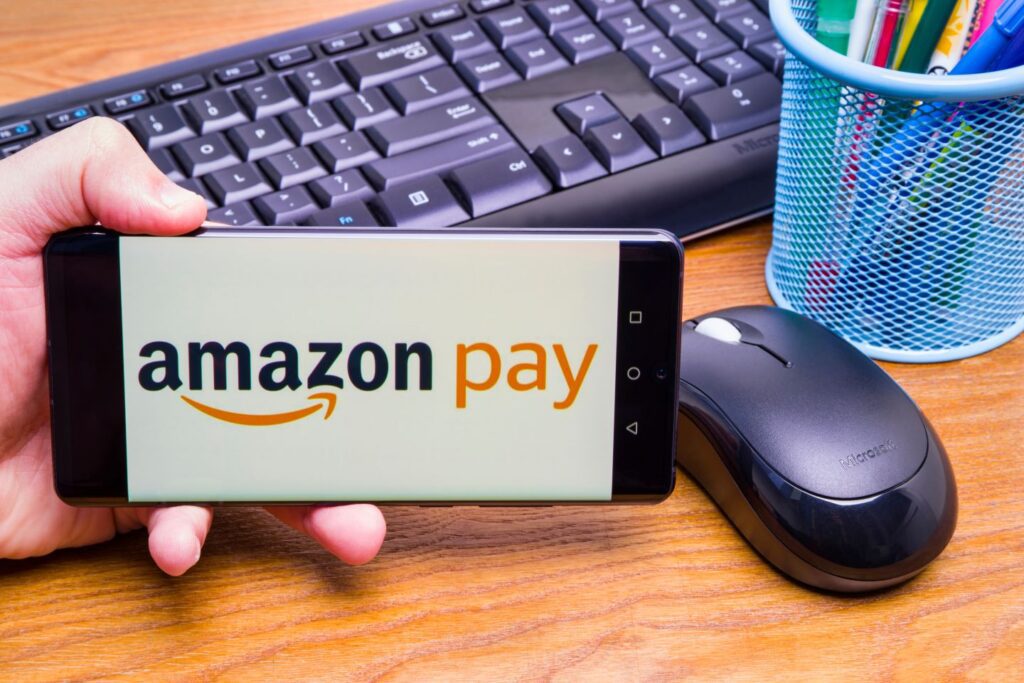
Amazon Pay India launched health insurance on 10 September 2026, in partnership with HDFC ERGO, adding to the motor cover it already distributes through ACKO and ICICI Lombard. CEO Vikas Bansal said that travel insurance is next. Amazon Pay itself doesn’t underwrite any of these policies; it’s a registered distributor, which is worth understanding before you buy cover on the app.
Amazon Pay has become one more place to buy insurance in India, and it’s expanding fast. The payments platform launched health insurance in partnership with HDFC ERGO on 10 September 2026, and a day later, CEO Vikas Bansal said that travel insurance is next on the list, calling health “our next frontier” given how few Indians currently hold personal health cover.
What Amazon Pay Just Launched
Health insurance is the newest addition to a distribution business that started back in 2020, when Amazon Pay first partnered with ACKO to sell car and two-wheeler insurance. Since then, it has onboarded HDFC ERGO and ICICI Lombard for motor cover as well, and Amazon itself holds a minority stake in ACKO.
How Does Amazon Pay Fit Into the Chain?
It’s worth being precise about what Amazon Pay is and isn’t. According to Amazon’s own insurance terms and conditions, Amazon Pay (India) Private Limited is registered with IRDAI as a Corporate Agent (Composite), Registration No. CA0631, which permits it to solicit and service insurance products on behalf of licensed insurers.
- Amazon Pay is the distributor: it’s where you browse, compare and buy the policy.
- HDFC ERGO (for health and motor), and ACKO or ICICI Lombard (for motor), are the underwriters: they’re the ones actually taking on the risk, and legally responsible for settling your claim.
- A corporate agent can tie up with several insurers, but it isn’t itself an insurer, so it doesn’t decide claims outcomes.
Convenience Comes With a Catch
Buying insurance through an app you already use daily is undeniably convenient. There’s no separate account to create, no agent to schedule a call with, and the checkout flow feels identical to buying anything else on Amazon.
But that convenience comes with a trade-off that’s easy to miss: an app checkout doesn’t give you a human to explain sub-limits, waiting periods, or what’s actually excluded.
There’s also a practical question worth asking before you buy: at claim time, who do you actually call? On an app-bought policy, that’s the underwriting insurer’s claims desk, not Amazon Pay’s customer support, since Amazon Pay only distributes and services the policy; it doesn’t underwrite the policy or make the final claim decision.
What This Means If You’re Buying Cover on the App
None of this means app-bought insurance is worse, only that it’s worth checking a few things before you buy, whether on Amazon Pay or any similar platform:
- Confirm which insurer is actually underwriting the policy, and note their claims contact separately from the app you bought it on.
- Compare the policy’s features and pricing against buying the same cover directly from the insurer, since app convenience doesn’t always mean a better deal.
- Read the policy wording yourself, since a fast checkout flow can make it easy to skip the part where you’d normally ask an advisor question.
Get Advice On Your Health CoverAn app can sell you a policy, but it won’t tell you what to actually look for. With MyRupia, you can book a free consultation and get real advice on picking the right health cover for your needs. It’s a quick way to get a second opinion before you commit to any policy. |
Also Read: Affordable Health Insurance Options for Senior Citizens: How to Get the Best Coverage on a Budget
Disclaimer: This MyRupia article is for informational purposes only and is based on publicly available government, regulatory and industry sources. It should not be treated as investment, financial, tax, insurance, or legal advice. Information, examples, market data, and expert views mentioned in the article may change over time and should not be considered a recommendation to buy, sell, invest in, or surrender any financial product. Readers should evaluate their individual circumstances and consult a qualified financial professional before making decisions.